How to find where a roof leak is coming from (2026)
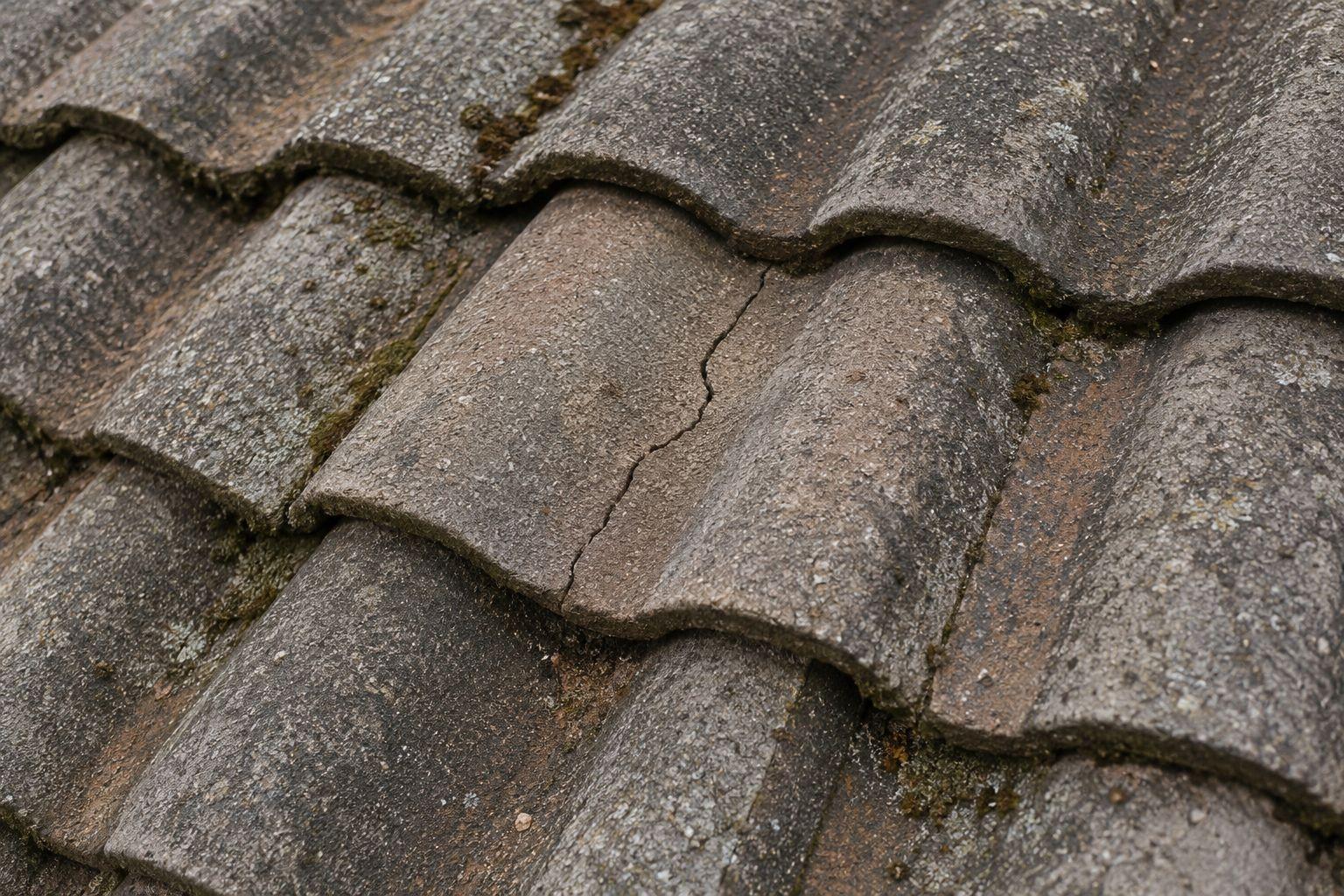
To find where a roof leak is coming from, record where water appears inside, when it happens and what sits above that part of the house. Then check the roof from the ground for visible damage or overflowing gutters. The ceiling stain shows where water came through, not necessarily where it entered the roof. Water can travel along roof framing and other surfaces before dripping.
At R&R Restorations, we repair tiled and metal roofs across the Gold Coast, Brisbane, Logan, Tweed Heads and the Northern Rivers. These checks help you describe the leak without climbing onto your roof.
In summary
- Photograph the stain and note whether it changes during rain, after rain or in dry weather.
- Match its position to outside walls and roof features, but do not assume the fault is directly above it.
- Look from ground level for slipped tiles, displaced sheets and gutter overflow. Leave roof access and testing to a roofer.
- Keep clear of sagging ceilings and water near lights, fans or power points.
- A leak needs its cause repaired. A ceiling patch or a coat of roof paint does not identify that cause.
What should you do before looking for a roof leak?
Check for immediate hazards before you investigate. A sagging ceiling, falling plaster or water around electrical fittings is a reason to keep people out of the affected area, not get closer for a photograph.
Do not touch wet lights, switches, fans or appliances. If water may have reached electrical wiring, contact a licensed electrician and stay clear until the area is made safe. Do not approach a wet switchboard or try to investigate electrical faults yourself. If there is immediate danger to anyone, call emergency services.
If the ceiling is sound and the area is away from electrical fittings, move belongings out of the drip path and catch water in a container from a safe position. Do not stand beneath a bulging ceiling, poke a hole in it or climb into the roof space to catch the water.
We can deal with roof repairs once access is safe. Electrical hazards and a ceiling at risk of collapse need attention before anyone starts tracing the leak. Our guide to dealing with a leaking roof covers the wider problem; the checks below focus on finding useful clues.
How can you narrow down a roof leak from inside the house?
Start with the room below the leak. Photos, the stain's position and the timing of the water give a roofer useful evidence even if everything has dried out by the inspection.
Record the stain's position
Take a close photo and a wider photo showing the ceiling and nearby walls. Note which side of the house the room sits on and whether another storey, a balcony or the roof is above it.
If it is safe, measure the stain's position from nearby walls at floor level. You do not need to reach the ceiling. A note such as “bedroom on the street side, stain beside the wardrobe wall” is more useful than “somewhere at the front”.
Look for peeling paint, brown marks and damp patches on adjoining walls as well as the main drip. A stain's colour alone cannot tell you whether it is a roof leak or how long it has been there.
Record when the water appears
Write down what was happening when you noticed the leak:
- Was it raining, or had the rain stopped?
- Did it happen in ordinary rain or only when rain was blowing against that side of the house?
- Were gutters visibly overflowing?
- Had an upstairs shower, air conditioner or other water-using appliance been running?
- Is the mark changing, or is it an old stain that stays dry?
Do not wait for another storm to report an active leak. These are details to record when available, not a test you must complete before contacting us.
Leave the roof space to someone equipped to inspect it
A roof cavity can contain live wiring, weak ceiling surfaces, heat and hard-to-see hazards. Insulation can hide both the water trail and unsafe footing. Do not enter it or move insulation to follow a drip.
For our roof repair enquiry, photos from the room and notes about the weather are enough to start the conversation. You do not need to prove which tile or screw has failed.
How do you map a ceiling stain to the roof above it?
Use the stain's position to identify an area to inspect, not a single repair spot. Water may enter higher up the roof, follow framing or the underside of roof materials, then drop onto the ceiling somewhere else.
From outside, on safe ground, match the affected room to a window, doorway or external wall. Look at the roof above that area and farther up the slope. Binoculars or your phone's zoom can help, but a ground-level photo cannot rule out a hidden fault.
These roof features are worth noting:
| Roof feature | What it is | Why its position matters |
|---|---|---|
| Ridge and ridge capping | The high line where roof slopes meet, covered by ridge tiles or metal capping | Water entering near a ridge can travel down before it shows inside. On tiled roofs, ridge repairs can involve bedding and pointing. |
| Valley | The internal angle where roof slopes meet and rainwater collects | A valley above or beside the affected room gives the roofer a drainage route to check. |
| Flashing | Material that directs water away from roof joints and penetrations | Roof-to-wall junctions, skylights and pipes are places where water must be diverted around an opening or join. |
| Roof penetration | Something passing through the roof, such as a vent pipe | The surrounding flashing or seal needs checking; the opening does not have to sit directly over the stain. |
| Eaves and gutters | The roof edge and the channels that carry rainwater away | Overflow or drainage problems can be relevant when water appears near an outside wall. |
On a tiled roof, also note any visibly broken or slipped tiles. On a metal roof, note displaced sheets or obvious rust without trying to assess screws and washers from the ground.
We work on concrete tile, terracotta and Colorbond metal roofs. The repair depends on the fault: replacing a damaged tile is different from repairing ridge capping or dealing with deteriorated metal-roof fixings.
What does the leak's timing tell you?
The timing helps narrow the inspection, but it does not prove the cause. Rain, wind, roof drainage, plumbing and condensation can produce overlapping symptoms.
| What you notice | What it may point to | What to tell the roofer or other trade |
|---|---|---|
| Water appears during ordinary rain | A fault in the roof covering, flashing or another weatherproofing detail | Which room is affected and whether the leak starts early or later in the rain |
| It leaks only in wind-driven rain | Water reaching a joint or opening that stays dry in calmer weather | Which side the rain was hitting, if you could see safely |
| Water appears during heavy rain with gutter overflow | A drainage problem, though a separate roof defect is also possible | Where the overflow was visible and where the indoor water appeared |
| Dripping continues after rain stops | Water retained in roof materials or insulation may still be draining | When rain stopped and whether the drip is slowing |
| Damp appears in dry weather | Plumbing, air-conditioning drainage, condensation or retained water may need investigation | What equipment was running and whether there is a room or pipework above |
| A mark stays unchanged through dry and wet weather | It may be an old stain | Whether anyone previously repaired a leak there; do not assume the cause is fixed |
A leak that happens only in heavy rain still needs checking. It does not automatically mean the roof needs replacing, and it does not automatically mean a blocked gutter is the whole problem.
For a suspected roof fault, we provide roof leak repairs on the Gold Coast and service the surrounding regions. If the evidence points to plumbing or an air-conditioning drain instead, the relevant trade needs to investigate that source.
Should you use a hose to find a roof leak?
Leave hose testing to a roofing professional. Spraying the whole roof can create several wet areas at once, obscure the entry point or send more water into the house.
A controlled water test, if needed, should isolate suspected areas rather than soak everything. It also needs safe access and someone who understands the roof's drainage details. Do not direct a hose upwards under tiles or sheet laps, and do not use a pressure washer to search for leaks.
You can give us more useful evidence by noting what happened during natural rainfall. Avoid applying silicone, lifting tiles or painting over a suspected fault before it has been assessed. An improvised patch can hide the original water path without fixing it.
What information should you give us about the leak?
Send the location, roof type, safe photos and the pattern you have noticed. You do not need a diagnosis to ask us about a repair.
Copy this checklist into your enquiry:
Suburb:
Roof type, if known: concrete tile / terracotta / metal / unsure
Affected room and side of the house:
What is above it: roof / another room / balcony / unsure
When water appears: during rain / after rain / dry weather
What you can see safely: stain / active drip / gutter overflow / visible roof damage
Previous repairs in that area, if known:
Photos: the ceiling from inside and the relevant roof area from ground level
For example, “tiled roof in Logan, water beside the bedroom's outside wall during rain, gutter overflowing above that window” gives us a starting point. It does not prove the gutter caused the leak. That distinction helps avoid repairing the most obvious feature while missing another fault.
Is R&R Restorations right for your leaking roof?
We are a good fit if you have a tiled or metal roof in our service area and need roof damage assessed for repair. We're owner-operated by Alex Rowe. Our work includes broken tile replacement, ridge-cap rebedding and repointing, and metal-roof work such as rust treatment and screw replacement.
We service the Gold Coast, Brisbane, Logan, Tweed Heads and the Northern Rivers. A leak does not, by itself, tell us that you need a full roof restoration. The condition of the roof and the cause of the water entry should decide the scope.
We are not the first call for water touching electrical fittings, a ceiling threatening to fall, or an immediate danger to people. If the source is plumbing or air-conditioning equipment rather than the roof, that fault needs the appropriate trade.
If there is wider deterioration, our roof repair, roof restoration or replacement guide explains the bigger decision. Our roof restoration cost guide is relevant if broader work is needed; its roof restoration ranges are not a price for tracing or repairing an individual leak.
Frequently asked questions
Is a roof leak always directly above the ceiling stain?
No. Water can follow framing, roof underlay or other surfaces before dripping onto the ceiling. The stain identifies where water has appeared inside, not necessarily the roof entry point.
Can you find a roof leak when it is not raining?
A roofer can inspect for defects and dried water trails in dry weather, but an intermittent leak may need further investigation. Photos and notes taken when the leak happened help explain what a dry inspection cannot show.
Can a roof leak without a broken tile?
Yes. Water can enter around flashing, penetrations, ridge details or drainage faults. An apparently intact roof surface does not rule out a leak.
How do you tell a roof leak from condensation?
Rain-related wetting can point towards a roof leak, while moisture linked to indoor humidity or cold surfaces can point towards condensation. Neither pattern proves the cause. Inspection may need to consider ventilation, plumbing and air-conditioning as well as the roof.
Will roof painting stop the leak?
Roof paint is not a substitute for repairing a broken tile, failed flashing or faulty fixing. In our roof restoration work, repairs come before sealing and recoating.
Can you paint the ceiling once the drip stops?
Wait until the source has been dealt with and the ceiling has been checked and dried. A stopped drip does not prove that wet insulation or concealed damage has gone away. Painting too soon can cover a useful clue and leave the underlying problem unresolved.
Ready to have the roof leak checked?
Use the enquiry form on our roof leak repairs page and include your suburb, the affected room and any photos you can take safely. We can start with what you have observed. Leave the roof access to us.