Is roof leak damage covered by insurance? (2026)
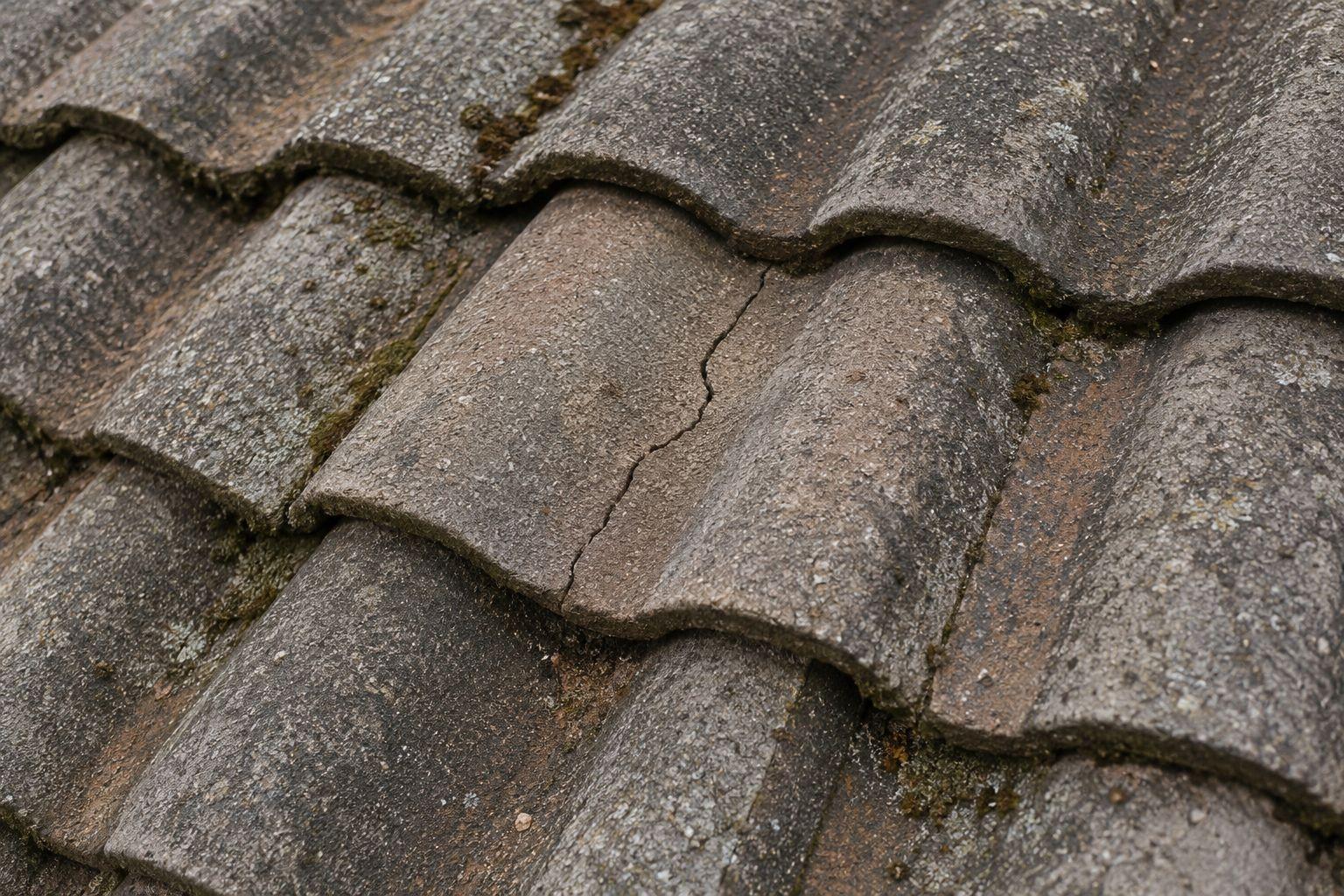
Home insurance can cover roof leak damage caused by an insured event, such as a storm, hail or a falling tree. It generally does not pay to fix wear and tear. The roof repair and the water damage inside your home can receive different decisions, so ask about both. Your policy wording and the cause of the leak decide the cover.
At R&R Restorations, we find where water gets in and quote the roof repairs. Your insurer decides what it will pay for.
This is general information, not insurance advice. Check your policy and speak with your insurer about your circumstances.
In summary
- A leak during a storm is not automatically storm damage. Rain can expose a fault that was already there.
- Insurance may cover damaged ceilings or walls without covering the worn roof part that let water in. Ask for a decision on each.
- Stay off the roof, photograph damage safely and contact your insurer before arranging repairs you expect it to fund.
- An itemised quote helps separate the leak repair from wider maintenance or a full roof restoration. It does not guarantee claim approval.
When can you claim insurance on a leaking roof?
You can lodge a claim when you believe an event covered by your policy caused the roof leak or resulting damage. The insurer then checks the cause, the damage and any exclusions; a roofer's quote is not approval to start insured work.
An insured event is an event your policy covers, subject to its conditions and exclusions. The Product Disclosure Statement (PDS) explains the cover and exclusions; read it with your certificate of insurance and any supplementary documents. ASIC's Moneysmart says most home and contents policies cover storms, including damage from strong winds, rainwater and hail. Its storm insurance guide, updated 18 August 2026, also explains that rainwater and flood have different definitions.
| What happened? | What to ask your insurer | What needs checking on the roof |
|---|---|---|
| Hail cracked tiles and water entered | Whether the storm event, roof damage and indoor damage are covered | Which tiles were damaged and where water entered |
| Wind lifted metal sheets or displaced ridge caps | Whether the wind damage and resulting water damage fall within the policy | Sheets, fixings, ridge caps and nearby joints |
| A falling branch damaged the roof | Whether impact damage and resulting leaks are covered | The impact area and any damage beneath it |
| Rusted screws or deteriorated flashings let rain in | Whether maintenance exclusions apply, and whether any indoor damage is covered separately | The extent of corrosion and the failed parts |
| Leaves blocked gutters or valleys | How the policy treats the blockage and resulting water damage | Drainage, debris and other possible entry points |
We repair cracked tiles, failed ridge joints, rusted screws, lifted sheets and worn flashings. Finding one of those faults tells us what needs fixing. It does not, by itself, establish when the damage happened or whether your policy covers it.
Wear and tear means gradual deterioration, such as rust or failing sealant. Faulty installation and defective earlier repairs can also be excluded. Check the policy terms rather than assuming any sudden leak is covered.
Describe what you saw: “The ceiling started dripping during Tuesday's rain.” Whether the storm broke the roof needs evidence.
Can insurance cover the ceiling but not the roof repair?
Yes, depending on the policy and circumstances. An insurer can accept resulting water damage inside the home while treating the defective roof part as maintenance you must pay for.
RACQ's explanation of maintenance and insurance, published 28 September 2022, gives this example: pre-existing cracked roof tiles are not covered, but water damage through the ceiling or walls can be repaired under the policy. RACQ also says maintenance issues may need fixing before it can start repairs to insured storm damage.
That is a policy example, not a promise that every ceiling leak is covered. Gradual water damage and maintenance exclusions differ between insurers.
Separate the damage when you speak to the claims team:
| Part of the problem | Cover to check |
|---|---|
| Roof tiles, sheets, fixings or flashings | Building insurance, including the cause of damage and maintenance exclusions |
| Wet ceilings, wall linings or built-in cabinetry | Building insurance for resulting damage |
| Damaged furniture, electronics or other belongings | Contents insurance and its limits |
Moneysmart's home building insurance guide, updated 2 October 2026, distinguishes the building and fixtures from household belongings.
Our roof repair quote deals with the roof work. It should not be treated as the complete cost of drying the house, replacing plasterboard or repairing electrical damage. Ask the insurer who will assess those parts.
What should you do before making a roof leak claim?
Make the area safe, limit further damage where you safely can, and contact your insurer as soon as practical. Do not wait for our quote before telling the insurer that water has entered your home.
- Keep people and pets away from sagging ceilings. Move belongings and catch drips only where it is safe.
- Stay away from wet light fittings, electrical equipment and damaged wiring. If power can be switched off safely at a dry, undamaged switchboard, do so; otherwise stay clear and get help. Do not touch a wet switchboard or approach it when lightning is close. Have a licensed electrician check affected equipment before reuse.
- Stay off the roof and out of a storm-damaged roof space. Leave tarps and roof access to people equipped to do that work safely.
- Take photos before moving damaged items, where safe. Keep receipts for necessary emergency work and purchases.
- Contact your insurer. Ask about temporary protection, permanent repair approval, required evidence and your claim reference number.
For non-life-threatening storm assistance in Queensland, call the SES on 132 500. For a life-threatening emergency, call 000. The Queensland SES, last updated 2 December 2025, explains that its work is temporary emergency protection; permanent repairs are for the insurer or a private contractor.
Electrical guidance: Queensland Electrical Safety Office, checked 27 October 2026.
Moneysmart's home insurance claim guide, updated 18 August 2026, says to speak with your insurer before spending money on temporary repairs. Insurers may arrange their own emergency repairer. Do not assume a receipt guarantees reimbursement.
Our leaking roof guide explains the permanent repairs we assess once access is safe.
What should you photograph for a roof leak insurance claim?
Photograph the damage, its location and any changes over time. Take roof photos from the ground; do not climb up to collect evidence.
A useful record includes:
- A wide photo showing the affected room, followed by close-ups of stains, bubbling paint and damaged belongings.
- A short video of active drips, taken from a safe position.
- Ground-level photos of visible displaced tiles, lifted sheets, fallen branches or overflowing gutters.
- The date and time you first noticed the leak, whether it had happened before, and what the weather was doing.
- Earlier roof photos, inspection reports, gutter-cleaning receipts and repair invoices, if you have them.
- Photos and invoices for temporary work, plus notes of what was done and why.
RACQ's post-storm guide, dated 25 October 2024, recommends recording damage and keeping receipts. It also recommends photographing damaged appliances and recording model or serial numbers before removal.
Keep the original files. Ask your insurer before throwing damaged items away, except where they pose an immediate health or safety risk; document them first if safe.
For our assessment, the timing helps as much as the ceiling photo. Water can travel along battens and sarking, the membrane beneath the roof covering, before dripping into another area. Tell us whether the leak happens in every shower or only when rain blows from a particular direction. Do not assume the fault sits directly above the stain.
How does an itemised roof repair quote help your claim?
An itemised quote shows what work is proposed, where it will happen and what it costs. It helps you and the insurer distinguish a targeted leak repair from maintenance elsewhere on the roof.
Our quotes set out the roof areas, repairs, preparation and finish included, with exclusions and possible changes made clear. Before asking us for paperwork, check whether your insurer wants a repair quote, a cause-of-damage report or an assessment by its own contractor. These are not interchangeable.
Use this checklist when comparing the quote with the insurer's scope of works:
| Check | Why it matters |
|---|---|
| The location and description of each roof fault | “Repair roof” does not identify which problem the work addresses |
| The repair method and materials | Replacing damaged tiles is different work from repointing a ridge or refixing sheets |
| Observed damage versus an unconfirmed cause | A quote should not turn a guess about storm damage into a fact |
| Immediate leak repairs versus wider maintenance | The insurer may treat those costs differently |
| Any optional cleaning, coating or full roof restoration | Planned improvements should be clear rather than bundled into the leak repair |
| Exclusions, access requirements and possible extra work | These explain gaps between quotes and the work still needing approval |
For example, a tiled roof might need a damaged tile replaced near the leak and repointing along an unrelated worn ridge. Those are separate findings. Neither the storm date nor the quote total establishes that both are insured.
Is it worth claiming, and what might you need to pay yourself?
Compare the applicable excess with the full potentially covered loss, not just the roof repair. We can quote the roofing work, but we cannot decide whether a claim is worthwhile for your policy or finances.
An excess is the amount you contribute towards a claim. Ask your insurer what excess applies, whether building and contents damage are being assessed together, and whether making a claim could affect your future premium or discounts.
Our published October 2026 repair ranges are:
| Roof work | Indicative cost |
|---|---|
| Focused repair, such as replacing damaged tiles or reseating a ridge cap | $350 to $1,500 |
| Wider repairs, or work with difficult access | About $1,500 to $6,000 |
Source: our published roof repair and roof restoration cost guide, checked 27 October 2026. These are budget ranges, not a quote or an insurer's settlement amount. We confirm the price after assessing the roof.
A small roof repair can sit alongside substantial indoor damage. But a full roof restoration for general wear is usually your maintenance expense, even if you noticed the problem during a storm.
If the insurer offers a cash settlement, compare the proposed amount with a complete written scope before accepting. Moneysmart warns that you then take responsibility for arranging and managing the repairs. A roof-only quote will not tell you whether a settlement covers the whole damaged home.
What if your insurer declines the roof leak claim?
Ask for the decision in writing, including the policy wording and reports used to reach it. Clarify whether the refusal covers the roof repair, the indoor damage or both.
Moneysmart's claim guide says a denial must explain what was not accepted, why, your right to request the reports, and how to complain. Check the report against your photos and history: does it identify the right roof area, describe the actual fault and account for when the leak appeared?
If you disagree, use the insurer's internal complaints process. The Australian Financial Complaints Authority can consider eligible disputes about denied insurance claims, assessed losses and delays. Its service is free for consumers.
Our assessment and quote can explain the roof work needed. They do not overturn the insurer's decision. If repairs are needed while a dispute continues, ask how to preserve evidence and agree what can proceed safely.
Is R&R Restorations right for your leaking roof?
We are a good fit when you need the cause of a tile or metal roof leak found and an itemised repair quote across the Gold Coast, Brisbane, Logan, Tweed Heads or the Northern Rivers. We are owner-operated by Alex Rowe, and our work includes concrete tile, terracotta and Colorbond roofs.
Our storm repair experience includes the job described by Gordon in his Google review dated 22 April 2024:
“They did all the roof repairs, water blast, new gutter guard, new screws and a heap more.”
His review is published among our customer reviews. It records roof work, not an insurance payout; the funding is not documented.
We are not the right first call for a dangerous electrical fault or an active storm emergency. Nor can our quote promise insurance approval. If your insurer is arranging repairs, confirm whether it will accept a separately obtained quote before booking work.
A focused repair suits one defined fault on an otherwise sound roof. If wear is widespread, we explain when a roof restoration is worth considering. If the roof is past that point, our roof restoration or replacement guide explains the distinction. A leak does not automatically mean you need a full roof restoration.
Roof leak insurance FAQs
Does a leak only in heavy rain count as storm damage?
Not automatically. Heavy rain can expose an old flashing fault, failed ridge pointing or blocked drainage. We check the source; your insurer assesses whether the event and resulting damage are covered.
Can rainwater damage be covered without visible storm damage to the roof?
It can be, depending on the policy. Rainwater cover and exclusions vary, so do not assume intact-looking tiles rule out a claim. Ask the insurer to assess the water entry and resulting damage.
Will insurance pay for a full roof replacement?
Only if the insurer accepts that work under your policy and the assessed damage supports it. A leak alone does not establish a need for replacement. Our role is to explain whether repair or roof restoration is suitable for the roof's condition.
Are ceiling cracks covered by insurance?
The cause matters. Cracking associated with covered water damage needs assessment; age-related plaster-joint cracking may be treated as maintenance. Keep clear of a sagging or water-laden ceiling and do not assume every crack comes from a roof leak.
What if I rent or live in a body corporate property?
Notify your landlord, property manager or body corporate promptly, with photos and a record of the leak. Confirm who is responsible before booking permanent roof work. Your own contents policy may be relevant to damaged belongings.
Can I choose my own roof repairer?
Ask your insurer. Some claims use preferred repairers; other arrangements may allow your own contractor or a cash settlement. Get the repair arrangement and approved scope confirmed before authorising work you expect insurance to pay for.
Once the home is safe and you have checked your insurer's requirements, request an itemised roof leak repair quote. Tell us your suburb, roof type, when the leak started and what you have noticed. We will assess the roof and explain the work needed to keep the water out.