Roof restoration process: what's included, step by step (2026)
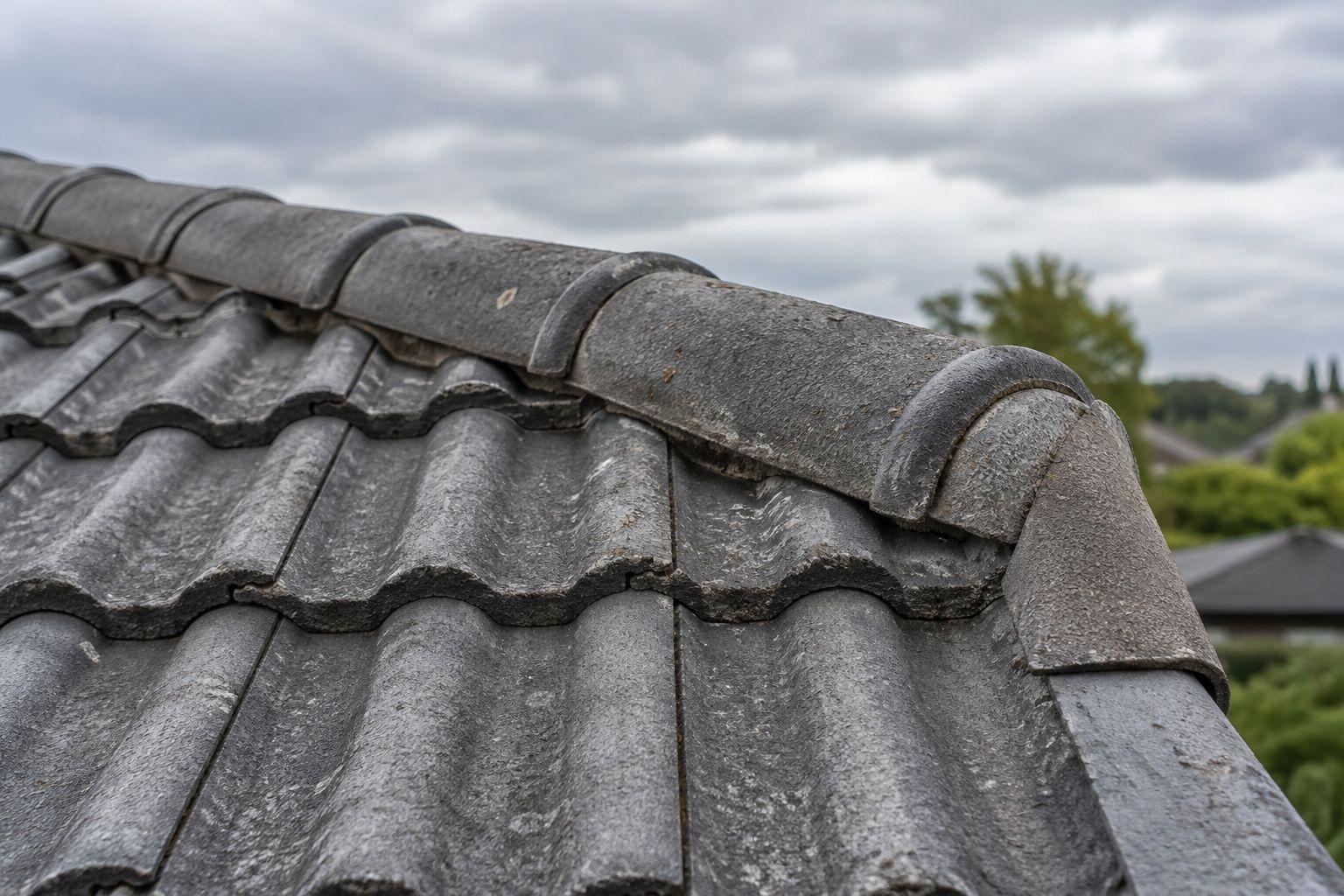
A roof restoration repairs and refreshes the roof you already have. The process includes an assessment, cleaning, broken-tile or metal-roof repairs, surface preparation and a suitable finish, followed by a final check. It is more than a roof respray: paint does not fix a cracked tile, loose ridge cap or rusted-through sheet.
At R&R Restorations, we're owner-operated by Alex Rowe. We list the repairs, preparation and finish in your quote, so you can see what happens before the new colour goes on. The work differs between concrete tiles, terracotta and metal roofs.
In summary
- A roof restoration keeps the existing roof where it is sound, repairs faults and renews the surface where needed.
- Cleaning and repairs come before coating. Faults that could let cleaning water inside need attention before washing starts.
- Concrete tiles need different preparation from metal roofs. Terracotta does not automatically need painting.
- Compare the repairs, products and exclusions on your quotes, not just the total or a freshly painted roof in a photo.
1. What do we check before quoting a roof restoration?
We assess the roof's material, condition, pitch and access before deciding whether it needs a roof restoration. The first question is whether the existing roof is worth keeping, not which colour you want.
On a tiled roof, that means checking the tiles, ridge caps and the condition of the battens beneath them. On a metal roof, we look for rust, failed screws, loose sheets and damaged flashings. Flashings are the pieces that direct water away from roof joins and openings, such as around pipes or where a roof meets a wall.
Tell us where you've seen leaks, even if the roof looks fine from outside. A ceiling stain is a clue, not proof of where the water entered. Our guide to a leaking roof explains what to do while you arrange an assessment.
If the roof structure has failed or much of the covering is beyond repair, coating it is the wrong spend. We explain the difference in our guide to roof restoration versus roof replacement.
2. How is the roof prepared and cleaned?
Roof cleaning removes dirt, moss, lichen, algae and loose material that would stop a coating bonding. We match the cleaning method to the roof's material and condition rather than treating every roof the same.
The order can change around individual faults. An obvious broken tile or open leak needs attention before washing; cleaning can then expose further damage that needs repairing. A step-by-step guide should not mean water-blasting a damaged roof first and hoping for the best.
Before work, we discuss access, vehicles and outdoor items with you. Tell us about rainwater tanks, solar panels and anything beneath the work area that needs protection. Agree how runoff, gutters and downpipes will be handled, including any disconnection and reconnection of tank-fed pipework. Do not assume solar-panel removal or unrelated gutter repairs are included.
This is work to leave to a roofer. You can send us photos taken safely from the ground; you do not need to climb up to prepare your enquiry.
Suspected asbestos changes the job. Do not pressure-clean it. WorkSafe Queensland's 2026 asbestos-roof alert says high-pressure water equipment must not be used on asbestos-containing material. Have an uncertain roof material identified before cleaning is arranged.
3. Which repairs are included before the roof is coated?
The repairs depend on what has failed: tiles and ridge joints on a tiled roof, or rust, screws, sheets and flashings on a metal roof. We identify the work during assessment and list it in the scope rather than relying on “roof restoration” as a catch-all description.
| Roof type | Repairs we assess and quote | What the work fixes |
|---|---|---|
| Concrete tile | Replace broken tiles; rebed ridge caps where the bedding has failed; repoint ridge joints | Damaged tiles and failed ridge joints that can admit water |
| Terracotta | Replace broken tiles and repair ridge joints; assess whether any coating is needed | Tile and ridge faults without assuming the clay needs a new colour coating |
| Metal or Colorbond | Treat surface rust; replace failed screws; refix lifted sheets and repair worn flashings | Failed fixings, loose sheeting and repairable corrosion before recoating |
What is the difference between rebedding and repointing?
Rebedding means lifting ridge caps and resetting them on a fresh mortar bed. Repointing means applying flexible pointing over sound bedding to finish and seal the ridge joints. Putting new pointing over failed bedding does not replace rebedding.
That distinction belongs on your quote. Ask which sections need rebedding and whether repointing covers the whole ridge line or only selected areas. Our tile roof restoration service covers broken-tile replacement and ridge work, with the scope set by the roof's condition.
A customer account shows why this matters. In her Google review dated 20 October 2026, published on our website, Julie described our work as:
“fully cleaning it and completely repointing the ridge caps. The ridge line looks incredibly clean and secure now”
That is evidence of work beneath the finish, not just a colour change. It describes Julie's job; your roof may need different repairs.
What if the metal has rusted through?
Rust treatment is for metal that can still be kept. A coating is not a substitute for replacing a sheet with holes through it. Our metal-roof assessment separates repairable surface rust from deterioration that makes sheet replacement or a new roof the better choice.
4. Why does the roof need a primer or sealer?
A primer helps the finish bond to the roof. A sealer prepares a porous surface for coating. The right product depends on the material, its condition and any old coating already on it.
We include coating preparation in the quote. A weathered concrete tile, previously painted tile and metal sheet should not be treated as interchangeable surfaces. An old finish that is flaking or poorly bonded needs assessment before another layer goes over it.
As a manufacturer example, Dulux's tile roof restoration process calls for an adhesion test on previously painted surfaces and a primer selected for the condition of the tiles. That explains why “primer included” should name a product suited to your roof. It does not mean every roof uses that brand or system.
5. How is the roof recoated, and does every roof need paint?
Once the repairs and preparation are complete, a suitable roof coating renews the finish and colour. We seal and recoat concrete tile and metal roofs as part of the agreed scope, but discuss whether a terracotta roof needs a coating at all.
Terracotta holds its colour in the clay. Cleaning, broken-tile replacement and ridge repairs may be the useful work without repainting the whole surface.
A roof membrane, in this context, is a coating applied over the prepared roof. It is not new sheeting, and it cannot rebuild a damaged roof underneath it.
The Dulux process cited above specifies two membrane topcoats after the primer. That is a manufacturer example, checked on 28 October 2026, not a claim about the product selected for your R&R job. Ask for the primer or sealer and the finish coats to be listed separately, with the product names and application requirements.
Coat count alone is not enough. The coating also needs the specified coverage and drying conditions. A quick spray over dirt or failed pointing leaves those problems in place.
6. What should happen at the final check?
The final check should account for the repairs and finish in the accepted quote, not just whether the colour looks even. We walk you through the finished roof and what was done.
Keep your itemised quote handy and ask to see how the completed work matches it:
- Which tiles, ridge sections, screws or flashings were repaired?
- Were any additional faults found, and what was agreed about them?
- What coating products and colour were used?
- Has the agreed clean-up been completed, including debris from the roof work?
- Are there care instructions or remaining issues you need to know about?
If repairs are difficult to see from the ground, ask for photos before they are hidden by the finish. There is no need to walk onto the roof yourself to check the job.
What should a roof restoration quote list?
A useful roof restoration quote tells you what is being repaired, how the roof will be prepared and what finish will be applied. Our quotes set out the areas, repairs, preparation and finish included, with exclusions and possible changes made clear.
Use this checklist when comparing our quote with another one. A missing line is something to clarify, not proof that a contractor has left the work out.
| Quote item | Detail to ask for |
|---|---|
| Roof area and material | Which roof sections are covered, including any separate garage or extension |
| Broken tiles or damaged sheets | What replacement work is allowed for, and how additional damage will be priced |
| Ridge capping | The sections or lengths to be rebedded and repointed, listed separately |
| Metal-roof repairs | The screw replacement, rust treatment, sheet refixing and flashing work included |
| Cleaning and preparation | The cleaning method, treatment of loose existing coating and any adhesion testing |
| Coating system | Product names, primer or sealer, finish coats and chosen colour; whether terracotta needs coating |
| Access and protection | Safety setup, vehicle access, overspray protection, rainwater tanks and solar-panel arrangements |
| Completion and exclusions | Clean-up, final check, weather arrangements and work outside the price |
For context, our published October 2026 guide puts roof restoration at $6,500 to $9,500 for a medium tiled home, $9,000 to $13,000 for a larger tiled roof, and $5,000 to $12,000 for metal or Colorbond. These are indicative published ranges, not a price promise for your property.
Our roof restoration cost guide explains the ranges. Before comparing totals, make sure both quotes cover the same repairs. Repointing sound bedding is a different job from lifting and rebedding loose ridge caps.
How long does the roof restoration process take?
The timetable depends on roof size, repairs, access and suitable weather. We give you the expected sequence once the scope is confirmed, rather than promising the same number of days for every roof.
Cleaning, repairs and coating are separate stages. The roof needs suitable conditions for coating, and products have their own recoat and drying requirements. Rain can pause the work; humid conditions can also affect drying.
Ask which days involve work on site and which gaps are needed for drying. A gap between visits does not necessarily mean the job has stalled. If rain interrupts our work, we tell you when the next stage can go ahead.
Is R&R Restorations right for your roof?
We're a good fit if you want to keep a repairable concrete tile, terracotta or metal roof and know what work is going into it. We're owner-operated by Alex Rowe and service the Gold Coast, Brisbane, Logan, Tweed Heads and the Northern Rivers.
We also do focused roof repairs. If the roof is otherwise sound and a local fault is causing the problem, a whole-roof coating may be unnecessary.
A roof restoration is not the right job when the underlying structure has failed or widespread damage makes the roof covering unsuitable to keep. We assess that before quoting and tell you when replacement is the better spend. We also won't treat painting over unrepaired faults as a finished roof restoration.
Frequently asked questions
Is roof painting the same as roof restoration?
No. Painting renews the surface finish. A roof restoration includes the assessment, cleaning and repair work needed before a suitable finish is applied. Our quote separates that preparation from the coating.
Are broken tiles replaced before or after cleaning?
Faults that could let cleaning water inside need attention before washing. Further damaged tiles can become visible once dirt and growth are removed. The roof's condition decides the order, and repairs must be complete before coating.
Does every ridge cap need rebedding?
No. Rebedding is needed where the bedding has failed; sound bedding does not automatically need replacing. Repointing and rebedding should be clearly distinguished in the agreed scope.
Will a roof restoration fix every leak?
Only if the cause of the leak is found and addressed in the work. A new coating will not repair a failed flashing, broken tile or rusted-through sheet. Tell us about leaks when you enquire so they are part of the assessment.
What are the disadvantages of roof coatings?
Coatings cannot repair structural failure or missing roof material. They also depend on sound preparation and suitable application conditions. On some terracotta roofs, coating may be unnecessary; we discuss that during assessment.
How much does roof cleaning cost on its own?
Our published October 2026 cost guide gives an indicative range of $500 to $1,200. Cleaning is preparation within a full roof restoration scope, so do not add that standalone range to a quote that already includes it.
Does roof restoration put another roof over the existing one?
No. Roof restoration works on the existing tiles or sheets, replacing damaged parts where needed. Installing new roofing over an existing roof is a different proposal and needs its own assessment.
Find out what your roof needs before choosing a colour
Tell us your suburb, roof type and what you've noticed. Ground-level photos are helpful but optional. Request an itemised roof restoration quote so you can compare the repairs, preparation and finish before work starts.