Terracotta roof tiles: how long they last and how to look after them (2026)
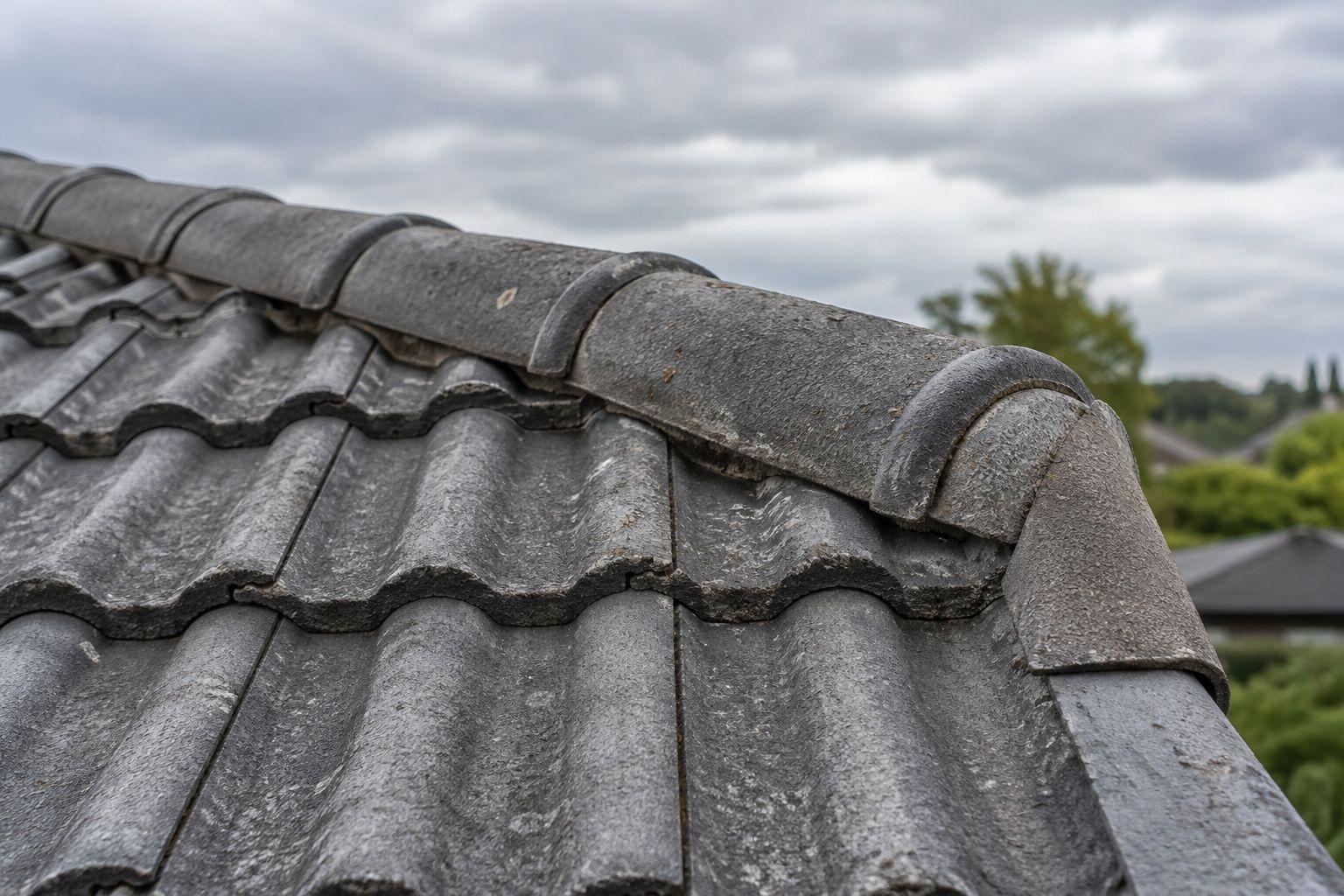
Terracotta roof tiles are kiln-fired clay tiles that can last for generations. Monier's roof tile guidance, checked on 28 October 2026, says it is not uncommon for terracotta to provide more than a century of service. That does not mean the ridge joints, flashings and supports last as long without attention.
To look after an existing terracotta roof, keep drainage clear, replace damaged tiles and repair failed ridge joints. Painting is not automatically needed. At R&R Restorations, we assess those faults and whether your terracotta roof needs a coating at all.
In summary
- Some terracotta tiles last more than 100 years. Their condition matters more than the roof's age alone.
- A leak can come from a broken tile, failed ridge joint or blocked drainage, even when most tiles remain sound.
- Keep the original fired finish where it is sound; dirt or lichen alone does not establish a need for painting.
- Arrange regular drainage maintenance and professional roof checks. Stay on the ground yourself.
- We quote the work your roof needs, which may be focused repairs rather than a full roof restoration.
How long do terracotta roof tiles last?
Terracotta roof tiles can remain serviceable for more than 100 years, but that is a material's potential lifespan, not a forecast for every roof. Monier's century-plus guidance describes what terracotta can achieve; it cannot tell you how much life remains in the tiles on your house.
Installation, previous damage and the condition of the roof underneath all affect the answer. A tile can survive years of weather and then break under a fallen branch or careless foot traffic. Sound tiles can also sit above deteriorated supports.
Separate these questions when assessing an older roof:
| What needs checking? | Why it matters |
|---|---|
| The clay tiles | Cracks, broken edges and deterioration affect whether individual tiles can stay. |
| Ridge caps and their joints | The tiles on the roof slopes may be sound while the mortar and pointing need repairs. |
| Flashings and drainage | Water can enter around roof junctions or back up behind debris without the clay itself failing. |
| Battens and supporting structure | Tiles need sound supports. Surface work cannot repair failed timber underneath. |
We check the roof's material and condition before recommending repairs or roof restoration. An old terracotta roof is not automatically a replacement job, and a clean-looking roof is not automatically a sound one.
How can you tell whether your roof tiles are terracotta?
Terracotta tiles are made from fired clay; concrete tiles are made from a cement-based mixture. Colour alone is not a reliable way to identify them because concrete tiles can also have a terracotta-coloured finish.
Terracotta may have a glazed, semi-glazed or unglazed surface. A glaze is a fired surface finish, not a coat of roof paint. Tile shape also varies: older roofs may have raised profiles, while newer ranges include flatter designs.
If you have a spare tile stored safely at ground level, photograph its face, underside and any maker's stamp. Do not remove a tile from the roof to identify it. Existing paint can make identification harder, so mention any previous painting when you enquire with us.
That distinction changes the work. Our concrete tile roof restoration includes sealing and recoating, while our terracotta work often centres on cleaning, replacing broken tiles and rebuilding ridge joints. We assess the finish rather than assume both materials need the same treatment.
What usually needs attention on an older terracotta roof?
Broken or displaced tiles, failed ridge joints and blocked drainage are common repair issues on tiled roofs. None proves that every terracotta tile has reached the end of its life.
Monier's maintenance guidance identifies drainage blockages, damaged tiles and bedding or pointing faults as matters to address. For an owner, the useful distinction is between a local fault and deterioration across the roof.
| What you notice safely from the ground | What needs checking | What it does not prove |
|---|---|---|
| A missing corner, visible crack or displaced tile | The damaged tile and surrounding fit and support | That all the roof tiles need replacing |
| Gaps or loose material along the ridge | The ridge cap, bedding and pointing | That coating the tiles will fix the joint |
| Overflowing gutters or debris in a valley | The drainage route and any water backing up | That the clay tiles have become porous |
| Dark patches or lichen | Surface growth, debris and the condition beneath it | That the tiles need painting |
| A new ceiling stain | The actual water-entry point and any damage inside | That the fault sits directly above the stain |
Ridge caps are the shaped tiles covering roof peaks and hips. Bedding is the mortar supporting them; pointing is the outer layer that seals and finishes their joints. We replace damaged tiles and carry out rebedding and flexible repointing as part of our repair and roof restoration work.
A replacement tile needs the correct profile, meaning the shape and edges that fit against its neighbours. A close colour match is not enough. Our guide to fixing cracked or broken roof tiles explains matching and replacement without turning it into a risky DIY task.
How often should a terracotta roof be checked and cleaned?
Arrange drainage checks and cleaning at least annually, and more often where trees shed debris onto the roof. A professional roof inspection is a separate task from washing the tile surfaces; an inspection does not automatically mean the roof needs a full clean.
Monier's maintenance page, checked on 28 October 2026, recommends professional inspections ideally every five years. Its FAQ suggests checking and cleaning at least once a year, twice in particularly tree-lined areas. These are manufacturer guidelines, not an instruction to wait when there is damage or a leak.
A practical care routine is:
- Keep water moving. Arrange safe clearing of gutters, downpipes and valleys. A valley is the channel where roof slopes meet and collect rainwater.
- Look after severe weather. From the ground, check for fallen fragments, displaced tiles and new overflow. Note any ceiling stains without entering the roof space.
- Deal with new faults when they appear. Do not wait for the next scheduled check if water is getting inside or a tile has moved.
- Keep a short record. Save dated photos, repair invoices and information about the tiles so changes are easier to identify.
You can copy this record into your phone:
| Record | What to write down |
|---|---|
| Roof material | Terracotta, plus the maker or profile if known |
| Existing finish | Original glazed or unglazed finish, previously painted, or unsure |
| Last work | Date and what was cleaned, replaced or repointed |
| Current concern | Where it appears and when you first noticed it |
| Rain pattern | Whether a leak happens in ordinary rain, heavy rain or wind-driven rain |
| Useful details | Spare tiles, solar panels, rainwater tank connection and access restrictions |
This is a record of observations, not a self-diagnosis. For our assessment, start with your suburb, roof type and what you have noticed. Photos taken safely from the ground are useful and optional.
What is the right way to clean terracotta roof tiles?
Terracotta roof cleaning needs a method suited to the tiles, their condition and any existing finish. There is no pressure setting or cleaning chemical that should be prescribed for every terracotta roof from a photograph.
Moss and lichen can hide the surface, but their presence alone does not establish tile failure. Monier's FAQ says these growths do not affect the durability of its tiles. Blocked valleys, gutters and tile drainage channels still need attention because they interfere with where rainwater goes.
Our roof cleaning service is available on its own or before roof restoration. We match the method to the roof's material and condition. The assessment should also take account of the tile manufacturer's advice and any coating already on the roof.
Do not climb up to scrub a test patch or experiment with a pressure washer. Roof access carries fall and tile-damage risks. If your roof feeds a rainwater tank, tell us before the scope is agreed and ask how cleaning runoff will be managed.
Do terracotta roof tiles need painting or sealing?
Sound terracotta tiles do not automatically need painting or sealing because they look old. Their colour comes from the firing process, so cleaning may reveal an original finish worth keeping.
Monier's cleaning guidance says terracotta does not require respraying to renew its colour. That is different from saying every existing terracotta roof is unsuitable for every coating: previously painted tiles and particular surface conditions need their own assessment.
Our live tile service makes the distinction clear: we discuss whether your terracotta roof needs a coating at all. If you want to keep the original appearance, tell us before the quote is prepared.
For the differences between glazed, unglazed and previously painted tiles, read our terracotta roof restoration guide. It covers the coating decision in detail. A coating does not replace repairs to broken tiles or failed ridge joints.
When are repairs enough, and when is roof restoration worthwhile?
Focused repairs can be enough when the faults are isolated and the surrounding roof is sound. Roof restoration becomes worth considering when cleaning and repairs are needed across several areas, provided the structure can support the work.
For example, sound terracotta tiles with deteriorated ridge pointing do not automatically need an all-over coating. Our published guide puts ridge repointing alone at $25 to $30 per lineal metre, or roughly $1,750 to $3,500 on an average roof. Those are indicative Australian-dollar ranges from our tile service, checked on 28 October 2026, not a quote for your home. Any rebedding, tile replacement or difficult access needs to be clear in the scope.
That is a different purchase from a whole-roof job. Our itemised quote sets out the areas, repairs, preparation and finish included, with exclusions and possible changes made clear.
When tiles are deteriorating widely or the battens and supporting structure have failed, roof restoration may be the wrong spend. Our guide to roof restoration versus roof replacement covers that decision. We check before quoting and will say when a new roof is the better choice.
Is R&R Restorations right for your terracotta roof?
We are a good fit if you want an existing terracotta roof assessed for cleaning, damaged-tile replacement, ridge repairs or roof restoration. We are owner-operated by Alex Rowe and service the Gold Coast, Brisbane and Logan, Tweed Heads and the Northern Rivers.
You do not need to decide on painting before contacting us. We assess the roof's material, condition, pitch and access, then set out the work in an itemised quote. That includes discussing whether the original terracotta finish should stay.
A full roof restoration from us is not the right purchase if an isolated repair will solve the problem. It is also not a substitute for fixing failed roof supports or replacing a roof that is beyond roof restoration. If you only want a new colour, the existing tiles still need assessment before any coating is agreed.
Frequently asked questions
Are clay roof tiles and terracotta roof tiles the same thing?
Terracotta roof tiles are a type of clay roof tile made by firing clay in a kiln. “Terra cotta” is another spelling. The maker and profile still matter when identifying replacement tiles.
Does a terracotta roof need replacing because it is old?
No. Age alone is not a reason to replace sound tiles. The tile condition, ridge joints, drainage and supporting structure need checking before choosing repairs, roof restoration or replacement.
Can a terracotta roof leak while the tiles are still sound?
Yes. Failed ridge joints, damaged flashings or blocked drainage can let water in without widespread tile failure. Finding the cause matters more than assuming the clay needs sealing.
Is lichen proof that terracotta tiles are worn out?
No. Lichen alone is not a reliable test of tile condition. The surface and drainage need assessment; cleaning can make the underlying condition easier to see.
Can individual terracotta tiles be replaced?
Yes. We replace damaged terracotta tiles as part of repairs and roof restoration. The replacements need to fit the existing profile. If the roof stays unpainted, discuss the likely colour variation as well.
Can I walk on terracotta tiles to inspect them?
Leave on-roof inspection to a professional with safe access. Walking can damage tiles, and a fall can cause serious injury. Ground-level photos and notes are enough to start your enquiry with us.
What should you do next?
If your terracotta roof has broken tiles, failing ridge joints or a finish you are unsure about, ask us to assess your tile roof. Send your suburb and what you have noticed, with any photos taken safely from the ground. We will help establish which parts need work and whether the original terracotta finish can stay.