Concrete roof tiles: lifespan, common problems and care (2026)
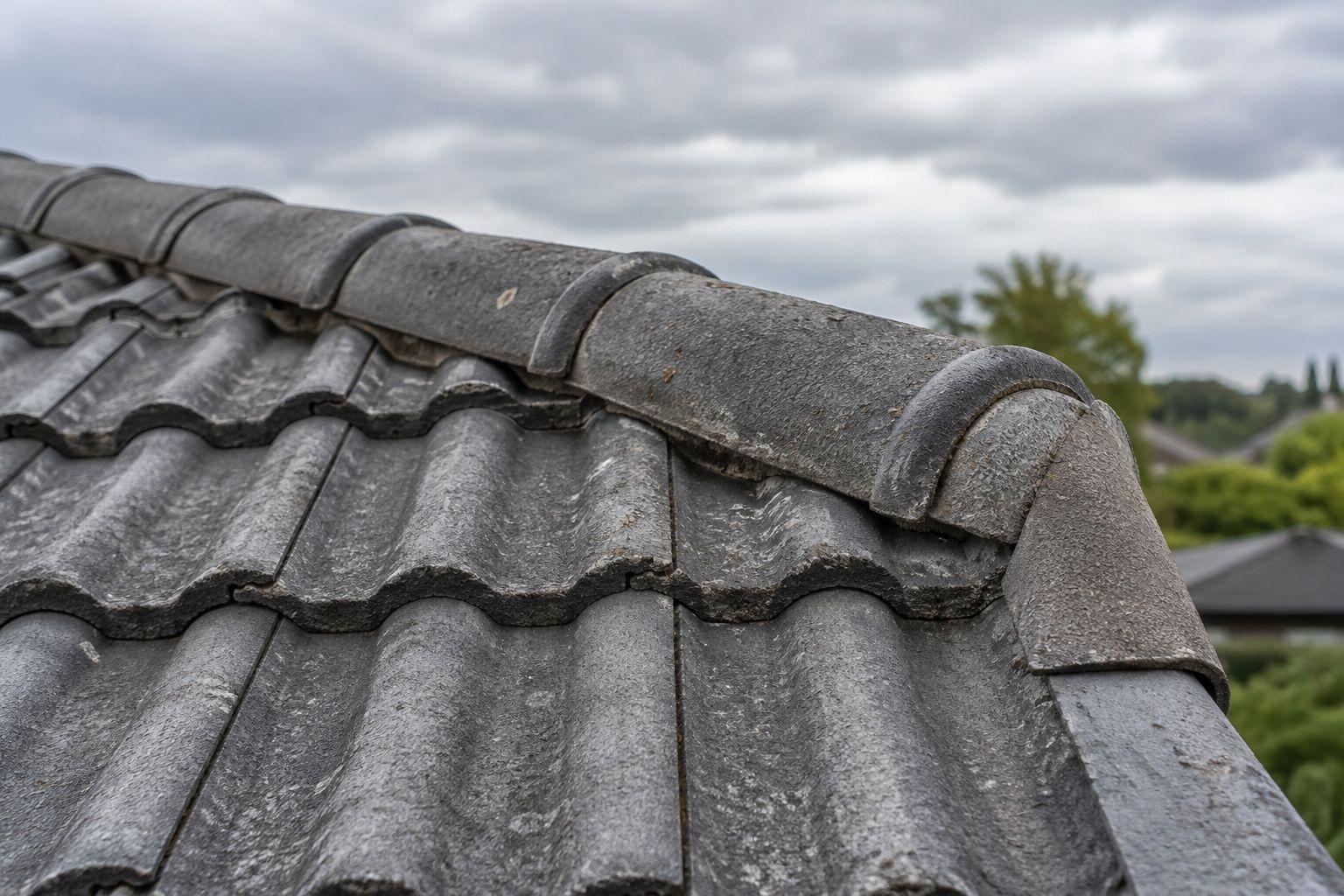
A concrete tile roof can last for decades, but its tiles, ridge joints and supporting timber do not all age at the same rate. Faded colour alone does not mean the roof is worn out. The faults to act on are cracked or displaced tiles, failed ridge joints, blocked drainage and signs of water getting inside. At R&R Restorations, we assess those faults before recommending a repair or roof restoration. Keeping sound tiles and fixing what has failed can avoid unnecessary work.
In summary
- Concrete roof tiles, also called cement roof tiles, can remain serviceable long after their colour has faded.
- Tile age is only part of the picture. Ridge joints, battens, sarking and flashings affect the life of the whole roof.
- A broken tile or leaking joint needs attention; a faded surface or whitish salt deposit is not proof of a leak.
- Keep drainage clear, arrange checks after suspected damage and leave roof access to a professional.
- We offer focused repairs as well as roof restoration across the Gold Coast, Brisbane and Logan, and the Tweed and Northern Rivers.
What are concrete roof tiles, and are they the same as cement tiles?
Concrete roof tiles are moulded roofing units made from sand, cement and water, with pigments and surface finishes used for colour. “Cement roof tiles” generally means the same product; cement is the binder within the concrete, not a different type of tile.
Tiles overlap to shed rain down the roof. Their shape, called the tile profile, includes the ridges and channels that fit against neighbouring tiles. That is why a replacement needs more than a similar colour: it must fit the surrounding roof correctly.
Concrete differs from terracotta, which is made from fired clay. A painted roof can make the distinction less obvious from the driveway. We check the roof material before setting the repair and coating scope, rather than assuming all tiled roofs need the same treatment.
If you already have a spare tile stored at ground level, keep it. A photo of its face and underside can help with identification. Do not climb up or remove a tile to obtain a sample.
How long will a concrete tile roof last?
Concrete tiles can remain serviceable at around 60 years old and beyond, but that is not a reliable expiry date for an individual roof. The condition of the tiles and the components beneath and around them matters more than age alone.
The UK Building Research Establishment reported tests on clay and concrete tiles around 60 years old in research published on 12 February 2014. All the tested tiles passed the water-impermeability test, and the vast majority exceeded the minimum strength requirement. BRE concluded that the tiles could have decades of service remaining.
That is evidence of what old tiles can do, not a forecast for a Gold Coast or Brisbane home. BRE also identifies battens, rafters, underlay, fixings and installation quality as factors in roof durability.
For your roof, separate these questions:
- Are the concrete tiles intact and fit for continued use?
- Are the ridge caps secure, with sound bedding and pointing?
- Are the battens and supporting structure sound?
- Are flashings and drainage paths doing their job?
- Where fitted, is the sarking beneath the tiles in serviceable condition?
Battens are the horizontal supports the tiles sit on. Sarking is the protective membrane beneath the roof covering. Neither becomes sound again because the tiles above it have been painted.
Our tile roof assessment checks whether keeping the existing roof makes sense before we quote. A roof's age helps explain its history; it does not decide the scope by itself.
What are the advantages and disadvantages of concrete roof tiles?
Concrete roof tiles are durable, do not rust and allow individual damaged tiles to be replaced. Their drawbacks are their weight, the risk of breakage from impact or poor roof access, and the need to maintain joints and drainage even when the tiles themselves remain sound.
| Feature | What it means for your home |
|---|---|
| Concrete does not rust | Useful near the coast, but metal flashings and other fittings still need checking |
| Individual tiles can be replaced | Local damage need not mean replacing the whole roof, provided a suitable matching profile is available |
| A heavy roof covering | The supporting structure must suit the load; a roof restoration does not correct structural failure |
| A surface colour that can weather | The roof may look tired without losing its weatherproofing function |
| Overlapping tiles and ridge joints | Fit, drainage channels and joint condition matter as much as the visible tile face |
Monier's concrete tile guidance, checked on 28 October 2026, confirms their suitability for coastal environments and the range of profiles available. For an existing South East Queensland roof, we assess what is already there. The aim is to preserve serviceable tiles and repair the faults, not sell a different roof material because the old colour has faded.
Which concrete tile roof problems need attention?
Cracked tiles, displaced tiles, failed ridge joints and obstructed drainage need assessment because they can let water into the roof. Surface fading and white salt marks need a different response: neither proves that the tile has failed.
Use this table to describe what you can see safely from the ground. It is a guide to the next check, not a diagnosis from appearance alone.
| What you notice | What it could mean | What needs checking |
|---|---|---|
| A split tile, missing piece or tile sitting out of line | Impact damage, displacement or a problem with its support or fixing | The damaged tile, surrounding fit and reason it moved |
| Gaps or crumbling material around ridge caps | Failed pointing or bedding | Whether the caps need repointing only or rebedding as well |
| Faded colour or a dull, chalky finish | Weathering of the surface coating | Whether the tile body is sound and whether you want the finish renewed |
| A whitish-grey film | Efflorescence, caused by natural salts reaching the surface | Whether it is salt bloom rather than growth or damaged coating |
| Moss, lichen or accumulated leaves | Surface growth or debris, sometimes obstructing drainage | Tile channels, valleys and gutters, plus faults hidden underneath |
| Flaking concrete, repeated breakage or widespread deep surface loss | Possible deterioration beyond colour weathering | Whether the affected tiles remain serviceable |
| A new ceiling stain or dripping indoors | Water entering somewhere in the roof system | The source, which may not be directly above the stain |
Cracked tiles and ridge joints
Cracked or broken tiles generally need replacement. An intact displaced tile needs its position corrected and the cause checked. Our guide to fixing roof tiles covers matching profiles and why painting over a break is not a repair.
Ridge caps cover the roof's peaks and hips. Bedding is the mortar beneath them; pointing is the outer layer that seals and finishes the joints. Repointing renews that outer layer. Rebedding resets the caps on fresh mortar where the bedding has failed.
Our tile work includes broken-tile replacement and flexible ridge repointing, with rebedding where needed. Those are separate repairs, not different names for spraying the roof.
Fading, salt bloom and surface wear
Monier's FAQs, checked on 28 October 2026, state that the original colour coating on concrete tiles is decorative. Fading does not affect the tile's performance or structural adequacy. Monier also says correctly manufactured concrete tiles become stronger and less porous over time.
The same guidance identifies efflorescence as a whitish-grey salt deposit that does not affect tile performance and should disappear naturally. Do not assume a pale roof needs urgent sealing.
Actual loss of concrete, repeated cracking or a failed earlier paint job needs assessment. We distinguish a finish you want refreshed from a fault that needs repairing.
Moss, lichen and blocked water paths
Growth on the surface does not automatically mean the tiles are deteriorating. The practical concern is whether growth or debris obstructs drainage or hides damage.
We provide roof cleaning as well as repairs. Our lichen and moss guide explains the cleaning questions without assuming every green roof needs a full roof restoration.
How should you care for concrete tiles in South East Queensland?
Keep gutters, downpipes and valleys clear, have damage checked promptly and avoid unnecessary foot traffic on the tiles. Coastal exposure, tree cover and storm damage call for different checks, so maintenance should follow your roof's condition rather than a fixed repainting calendar.
Monier's maintenance advice recommends checking and clearing drainage at least annually, and twice a year in particularly tree-lined areas. Arrange safe professional access for work at height; this is not an instruction to climb onto the roof.
For a Gold Coast, Brisbane or Logan home:
- Check from the ground for displaced tiles, obvious ridge gaps and overflowing gutters. After suspected storm damage, arrange an assessment rather than waiting for the next routine check.
- On a shaded or leafy property, watch for debris collecting where roof slopes meet. These valleys carry water towards the gutters.
- Near the coast, remember that concrete tiles and metal roof fittings are different materials. Sound tiles do not rule out a flashing problem.
- Keep records of roof painting, repairs and previous leaks. Tell us if the same stain has returned after earlier work.
- Mention solar panels, rainwater tanks and difficult access when enquiring. They affect how cleaning and repairs need to be planned.
Our published roof restoration scope includes high-pressure cleaning. We match the cleaning method to the roof material and its condition; a pressure setting copied from a video is not a maintenance plan. Before work starts, the cleaning method, treatment of existing coating and handling of wash water should be clear.
You do not need close-up roof photos to start an enquiry with us. Ground-level photos and a description of what has changed are enough to begin the assessment process.
When is roof restoration worth considering?
Roof restoration is worth considering when the structure is sound, repairable faults occur across the roof and the finish also needs renewing. An isolated broken tile or failed ridge section may only need a focused repair.
Our concrete tile roof restoration guide covers the work sequence and costs in detail. The distinction here is between maintaining a sound roof and trying to coat over one that has failed.
Our tile roof restoration service includes cleaning, broken-tile replacement, ridge rebedding and repointing, then sealing and recoating. Its published guide, updated 27 October 2026, puts a full tiled roof restoration at about $6,500 to $9,500 for a medium home, in Australian dollars. That is an indicative whole-job range, not a price per tile or a fixed quote.
Cleaning and repairs do different jobs. Julie described both in her Google review of our work, dated 20 October 2026:
“They did a phenomenal job bringing our tired roof back to life, including fully cleaning it and completely repointing the ridge caps.”
That review describes the work on her roof, not what every concrete roof needs. We assess the material, condition, pitch and access, then set out the repairs and finish in an itemised scope.
Is R&R Restorations right for your concrete tile roof?
We are a good fit if you want an existing concrete tile roof assessed for repairs, cleaning, ridge work or roof restoration across the Gold Coast, Brisbane and Logan, and the Tweed and Northern Rivers. We are owner-operated by Alex Rowe, and our quotes identify the work included rather than treating every tired roof as a full roof restoration.
A roof restoration is not the right answer to failed supporting timber, significant sagging or widespread tile failure that makes the roof unsuitable to keep. We check suitability before quoting and will say when a new roof is the better choice. Recoating cannot replace structural repairs.
If your roof is sound and you only dislike the colour, say that too. It is a different brief from stopping a leak, and the proposed work should reflect it.
Frequently asked questions
Do concrete roof tiles become porous as they get older?
Not simply because they are older. Monier says concrete tiles manufactured to the appropriate Australian Standard become less porous over time. A leak needs investigation for an actual fault rather than an assumption based on faded colour.
Can concrete roof tiles be painted?
Yes. Suitable concrete tiles can be prepared, sealed and recoated to renew their appearance. Painting does not replace broken tiles, rebuild failed ridge joints or repair damaged sarking.
Are white marks on cement roof tiles a problem?
They can be efflorescence: natural salts appearing as a whitish-grey film. Monier says this does not affect tile performance and usually disappears naturally. Have an uncertain mark identified before choosing a treatment.
Can you walk on a concrete tile roof?
Roof access carries a fall risk and can damage tiles. Leave inspection and repair access to a roofing professional. We accept photos taken safely from the ground to start an enquiry.
Does a leaking concrete tile roof need replacing?
Not necessarily. The cause may be a broken tile, failed ridge joint, flashing fault or blocked drainage. Whether repair or roof replacement makes sense depends on the condition of the whole roof.
Can you get replacement tiles for an older roof?
Sometimes, including matching reclaimed tiles, but availability and fit need checking. Keep any existing spares and tell us about them. Matching the profile matters more than finding a tile with a similar faded colour.
What should you send us about your roof?
Send your suburb, the problem you have noticed and whether it started after a storm, roof work or a previous repair. Include ground-level photos if you have them, and say whether your priority is stopping a leak, fixing visible damage or renewing the colour.
Request a concrete tile roof assessment and quote. We will assess the roof's condition and explain the work it needs before you commit to roof restoration.