Do roof tiles need sealing? Roof tile sealant explained (2026)
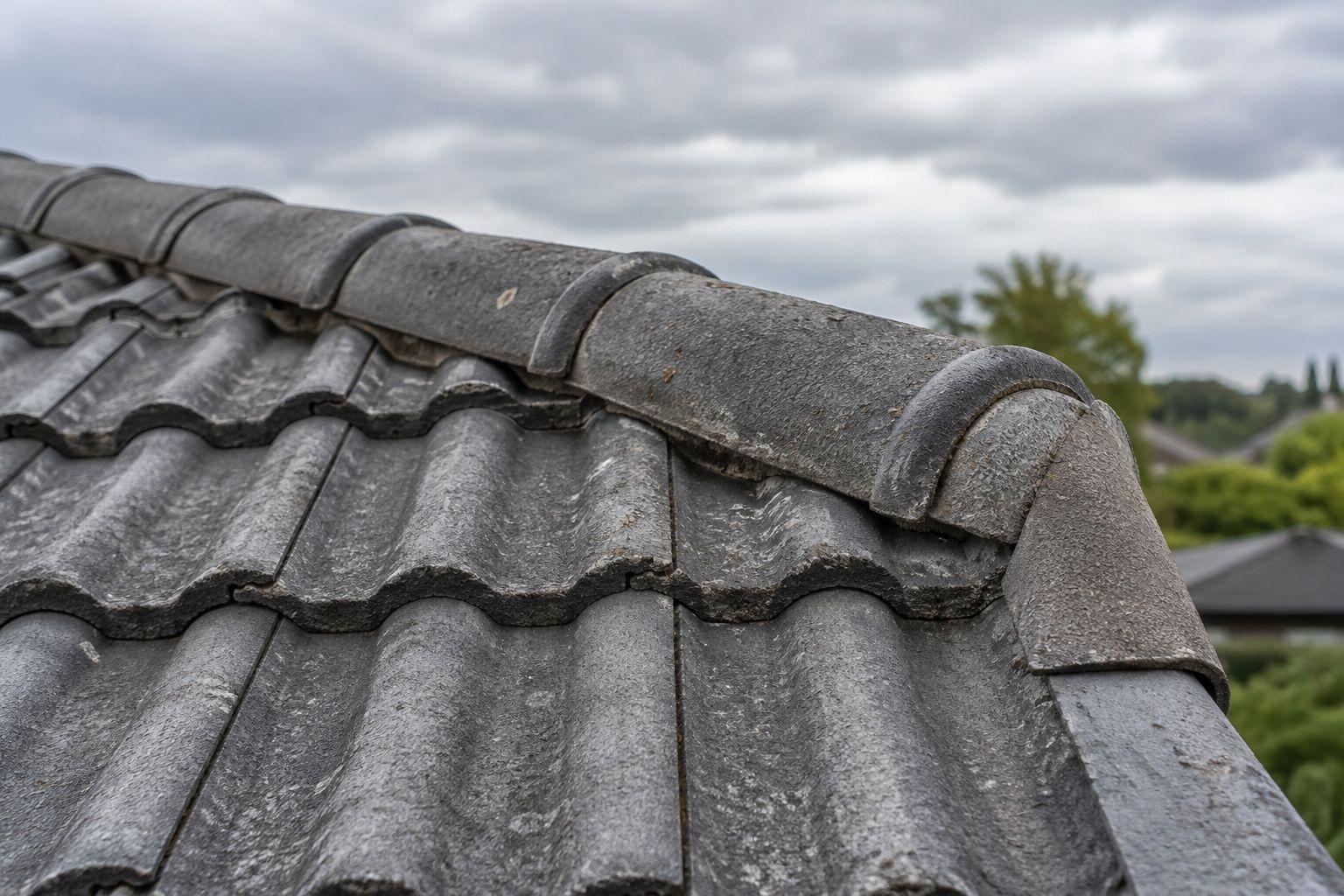
Sound concrete roof tiles do not need sealing just because their colour has faded. Their decorative coating is not what makes them weatherproof. A roof sealer can be needed to prepare tiles for repainting, but it will not replace broken tiles, repair failed ridge joints or fix faulty flashings. Terracotta needs a separate assessment before any coating is considered.
At R&R Restorations, our tile roof restoration service puts cleaning and repairs before sealing and recoating. We also assess whether a terracotta roof needs a coating at all.
In summary
- Faded concrete tiles are not proof that your roof has lost its waterproofing.
- A surface sealer, a tube of roof sealant and ridge pointing do different jobs.
- Leaks need their cause repaired. Painting over the roof is not a substitute.
- Sealing can be a useful part of roof restoration when the tiles are suitable for recoating.
- Ask for a quote that separates repairs, surface preparation and the finish, so you know what you are paying for.
What does “roof tile sealant” actually mean?
Roof tile sealant can mean a product applied across the tile surface or a compound used at a particular joint. They are not interchangeable. Before buying anything, establish whether you are trying to repair a leak, fix a ridge joint or prepare the roof for a new colour.
| Product or material | What it does | What it does not replace |
|---|---|---|
| Roof sealer or primer | Prepares a suitable tile surface for the specified coating system; some products bind a powdery surface | Broken tile replacement or leak repairs |
| Roof paint or membrane topcoat | Gives prepared tiles their finished colour and surface coating | Sound tiles, ridge joints and flashings |
| Roof and gutter sealant | Seals suitable local joints where the product and roof detail allow it | A whole-roof coating system or an intact replacement tile |
| Flexible ridge pointing | Finishes the joints beneath ridge and hip caps over sound bedding | Rebedding where the supporting mortar has failed |
Our tile roof restoration scope lists tile replacement and ridge work separately from sealing and recoating. A quote that says only “seal the roof” leaves too much unanswered.
Do faded concrete roof tiles need sealing to stay waterproof?
No. Fading alone does not mean concrete roof tiles need a waterproof coating. Monier's roof tile FAQs, checked on 28 October 2026, state that the colour coating is decorative and has no protective or waterproofing function.
Monier also says concrete tiles become stronger and less porous with time, provided they were manufactured to the appropriate Australian Standard. Porosity means the tiny spaces within a material that can absorb moisture. It is not the same as a crack, or an open path for rain into your ceiling.
That does not mean every old concrete tile is sound. Tiles can break, move or suffer damage, and the ridge joints and flashings still need attention. It means a faded colour is not enough evidence to diagnose the leak.
For our roof restoration assessment, the useful distinction is between the condition of the tiles and the condition of their finish. You may want the colour renewed even when the tiles still work. If the roof leaks, the quote needs to identify the repair as well.
Why use a roof sealer if the tiles are already weatherproof?
A roof sealer can help a new coating bond to the prepared surface. Some sealers bind loose, powdery surface material; other basecoats fill minor surface pitting. These are coating-preparation jobs, not a way to turn a broken tile into a sound one.
Dulux's roof coating application guide, checked on 28 October 2026, shows why the tile surface matters:
| Concrete tile condition | Preparation product in the Dulux guide |
|---|---|
| Non-powdery, good condition, with some colour remaining | Water-based roof sealer |
| Powdery or previously painted | Solvent-based roof sealer, with existing paint soundness checked during preparation |
| Aged and pitted, with no colour remaining | Roof primer surfacer |
A primer surfacer is a basecoat that fills minor surface irregularities before the finish coats. It cannot repair structural damage to the tile.
These are manufacturer examples, not a claim that we use a particular Dulux product on your roof. Our quote sets out the preparation and finish included. Product choice needs to suit the roof material, its condition and any existing coating.
This explains the apparent contradiction: a roof can be weatherproof without new paint, yet still need a sealer if you choose to repaint it.
Will sealing roof tiles stop a leak?
Sealing the tile faces will not reliably fix a leak caused by broken tiles, failed ridge joints, blocked drainage or damaged flashings. The fault needs to be found and repaired first. Monier specifically warns that respraying a roof does not repair it.
For example, a sound tile can leak around its edge if the drainage channel beneath the overlap is blocked. Adding more sealant there can make matters worse. RAC's guide to roof leaks, checked on 28 October 2026, describes sealant patches blocking the channels that carry water down the tiles.
Ask the roofer to show what is wrong:
- Is the tile cracked, broken or displaced?
- Is mortar or flexible pointing failing beneath the ridge caps?
- Are valleys, gutters or tile drainage channels blocked?
- Is a flashing damaged or out of position?
We replace damaged tiles and repair ridge joints as part of our tile roof restoration work. A local fault may only need a focused repair. Our guide to fixing cracked or broken roof tiles covers replacement and temporary sealant patches in more detail.
Do terracotta roof tiles need a sealer?
Terracotta tiles do not automatically need sealing or painting. Their colour comes from firing the clay, and cleaning and repairs may be enough. Glazed, unglazed and previously painted tiles need different coating assessments.
Monier does not recommend painting terracotta. Its FAQ says unglazed tiles can be painted, but will then need ongoing recoating. Dulux, meanwhile, specifies a coating system for certain sound, weathered glazed or unglazed terracotta tiles, while excluding aged or crumbling tiles.
Those statements answer different questions: whether coating is recommended for the tile, and whether a particular system can adhere to a suitable surface. Neither supports coating every terracotta roof.
Our terracotta work often centres on cleaning, replacing broken tiles and rebuilding ridge joints. We discuss whether any coating is needed at the assessment. See our terracotta roof restoration guide for the material-specific checks.
When is sealing part of a worthwhile roof restoration?
Sealing belongs in a roof restoration when the roof is suitable for recoating and the agreed work includes a new finish. If the only problem is a damaged tile or failed ridge joint, a smaller repair may be enough.
Our published tile roof restoration process covers high-pressure cleaning, broken tile replacement, ridge rebedding and repointing, then sealing and recoating where appropriate. The cleaning method is matched to the roof material and its condition. Repairs and surface preparation come before the finish.
Use this comparison when someone recommends “resealing”:
| What your roof needs | Where sealing fits | Our published cost guide |
|---|---|---|
| A focused repair, such as damaged tile replacement | A whole-roof sealer is not the repair itself | Commonly $350 to $1,500 |
| Ridge repointing, with the rest of the roof sound | Flexible pointing repairs the ridge joints; coating the tile faces is a separate decision | Roughly $1,750 to $3,500 on an average roof |
| Repairs and renewed colour across a suitable medium tiled roof | Sealing and recoating form part of the full roof restoration | About $6,500 to $9,500 |
Source: our roof restoration cost guide, updated 27 October 2026 and checked on 28 October 2026. These are indicative job ranges, not sealing-only prices or a quote for your property.
The useful comparison is the work included, not the word “seal”. Our itemised quote sets out the areas, repairs, preparation and finish, with exclusions and possible changes made clear.
Is R&R Restorations right for your tiled roof?
We are a good fit if you want the roof assessed before deciding between repairs and roof restoration. We work across the Gold Coast, Brisbane and Logan, and the Tweed and Northern Rivers, on concrete and terracotta tile roofs.
Our assessment checks the roof's material, condition, pitch and access. A roof with sound supporting structure and problems in its tiles, ridge joints and finish can be a candidate for roof restoration. For terracotta, keeping the existing finish may be the right choice.
Roof restoration is not the right answer when the structure beneath the tiles has failed. Our tile service page makes that distinction clear: if a new roof is the better choice, we will say so. Nor should you commit to a full roof restoration just because the colour has faded, if you are happy with its appearance and no repair need has been found.
What else should you know about sealing roof tiles?
Do new concrete roof tiles need sealing?
Do not assume they need an extra waterproof coating. Follow the tile manufacturer's instructions. Monier says its concrete tile colour coating has no waterproofing role, so a request to seal new tiles needs a specific reason beyond “keeping rain out”.
How often should roof tiles be resealed?
There is no single interval for every roof and product. Sound, uncoated tiles are different from a previously painted roof. If your roof has a coating, follow that system's maintenance advice and have peeling or other defects assessed rather than automatically painting over them.
Can a clear roof sealer be left without paint?
Only if the product is specified for use that way. A primer that dries clear is not necessarily a finished clear coating. Check whether it needs a topcoat; the sealer systems in the Dulux guide above are followed by roof membrane coats.
Should I seal the gaps between overlapping tiles?
Do not fill tile overlaps indiscriminately. Tiles have drainage channels that must remain clear. A roofer needs to establish whether the visible gap is normal, a displaced tile or a failed detail before choosing a repair.
Can I seal my roof myself?
We recommend a professional assessment rather than climbing onto the roof to test products. Roof access is hazardous, and the wrong preparation can leave a new coating attached to loose old paint. Photos taken safely from the ground are enough to start an enquiry with us.
What if my roof feeds a rainwater tank?
Tell the roofer before cleaning or coating starts. The chosen system needs to be suitable for the intended water collection, and the tank must be protected from cleaning runoff and coating residue. Follow the product's instructions for disconnection, curing and reconnection.
How do you find out what your roof needs?
Start with the roof's condition, not a product name. Send us your suburb, roof type and what you have noticed, with optional photos taken safely from the ground. We will assess whether your roof needs a focused repair or roof restoration, and set out the work in your quote.