Roof sarking: what it does and does your roof have it? (2026)
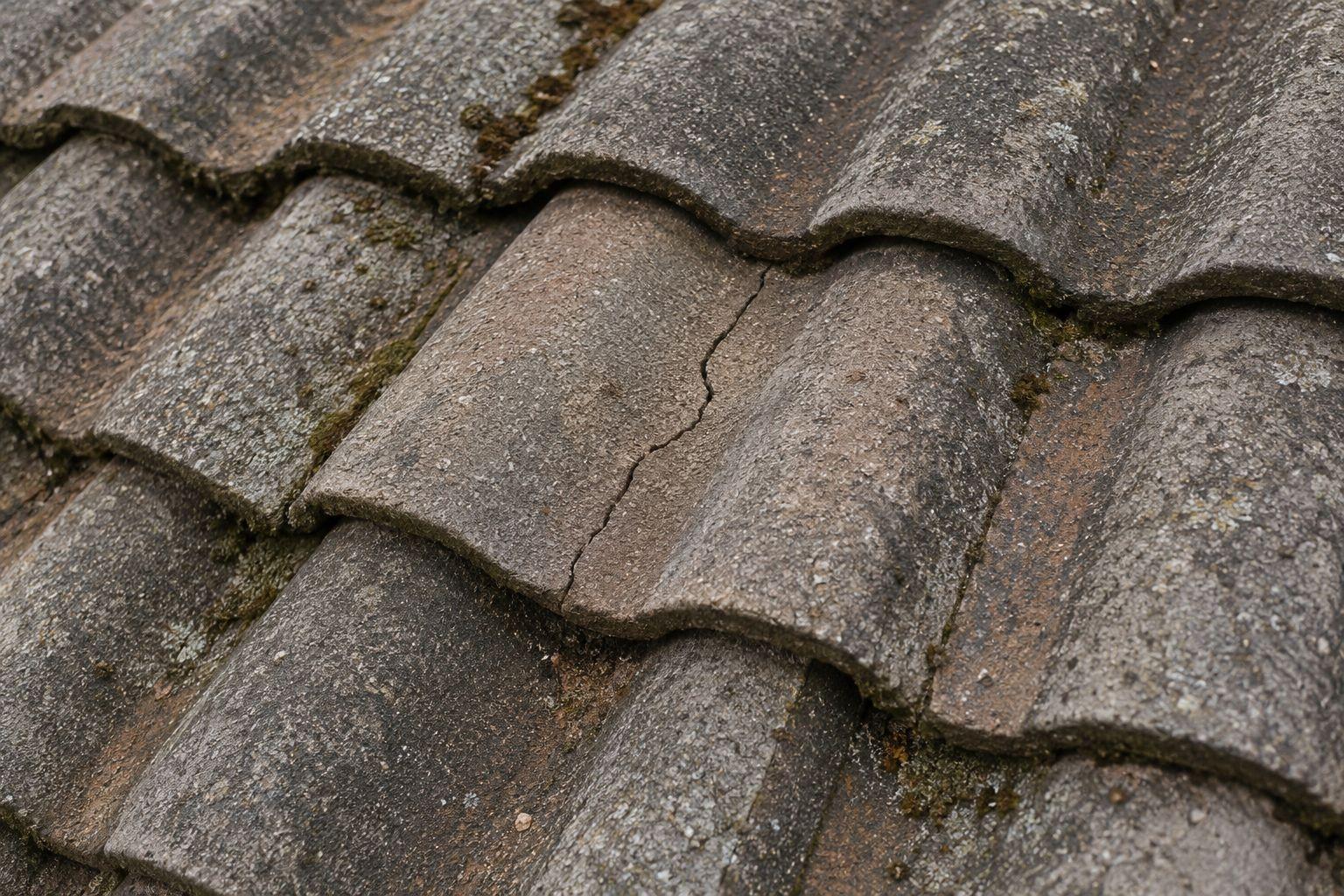
Roof sarking is a flexible membrane beneath roof tiles or metal sheets. It provides a secondary weather barrier, helping direct water that gets past the roof covering towards the gutter. Some products also reflect heat. An inspection can confirm whether your roof has sarking; its age alone cannot. Adding a full sarking layer normally requires lifting the roof covering, so it is roof-off work, not a standard roof restoration.
At R&R Restorations, we repair and restore existing tile and metal roofs. If yours leaks, we start with where water gets in, rather than assuming missing sarking means you need a new roof.
In summary
- Sarking sits beneath the roof covering. Ceiling insulation and roof paint do different jobs.
- An older Queensland roof may have full sarking, partial coverage or none. Ask for inspection photos rather than guessing from the house's age.
- Sarking is a backup weather barrier, not a substitute for fixing cracked tiles, failed flashings or loose sheets.
- A roof restoration repairs and renews the existing roof. Installing full sarking belongs in a separate roof-off scope, commonly during re-roofing.
What does roof sarking do?
Roof sarking helps keep wind-driven rain and dust out of the roof space. When correctly selected and installed, it provides a drainage path for water that gets beneath the tiles or sheets.
Think of the layers separately: the tiles or metal sheets shed the weather first; sarking catches incidental water beneath them. Overlaps, openings and the detail at the gutter matter. A membrane that collects water but cannot drain it away is not doing the same job as a properly installed system.
Bradford's tile-roof sarking guidance describes this drainage function and places installation before the tiles are laid. Reflective products can also improve thermal performance when installed with the required air space. Specified sarking can form part of bushfire protection, but that depends on the product and the complete roof design.
For the roofs we repair, the distinction is practical: the covering still needs to be sound. Sarking beneath a cracked tile is not a reason to leave that tile broken.
How can you tell whether an older Queensland roof has sarking?
The best evidence is an inspection that identifies the layer beneath the roof covering and records where it is present. Building specifications, re-roofing invoices and previous inspection photos can help, but a document saying “insulated roof” does not necessarily mean sarking was fitted.
You cannot confirm sarking from the roof's colour or a ground-level photo. Nor does seeing a membrane in one part of the roof prove that every roof slope has it.
Ask the person inspecting your roof for clear photos and an explanation of what they show:
| What an inspection photo shows | What it may mean | What still needs checking |
|---|---|---|
| A continuous thin membrane beneath the roof covering | Sarking or another roof underlay is present in that area | Its product type, coverage, condition and drainage details |
| The bare underside of roof tiles | No sarking is visible in that area | Whether other roof slopes or an extension have it |
| Foil attached to a thick fibrous blanket under metal sheets | A foil-faced roof insulation blanket | Its condition and how the whole system manages moisture |
| Batts lying above the ceiling | Ceiling insulation | Whether there is a separate membrane beneath the roof |
| Torn foil, open joins or loose sections | The underlay needs assessment | Whether damage is local or widespread, and whether repair is accessible |
Leave roof-space access to someone equipped to inspect it. Do not lift tiles, pull down foil or move insulation to find out. Foil conducts electricity, and roof spaces contain wiring and surfaces that cannot safely support a person.
WorkSafe Queensland's roof-space guidance explains the electrical precautions required. It also warns that some solar cables can remain energised after the main power is switched off.
For an enquiry with us, tell us what an existing report says about sarking. You do not need to enter the roof space to gather evidence.
Is sarking the same as insulation, and does it stop condensation?
Sarking is not the same as ceiling batts. Reflective sarking can contribute to insulation performance, while other membranes focus on weather protection and letting water vapour escape. The product needs to suit the roof and climate.
An R-value measures resistance to heat flow. A reflective membrane's contribution depends on the surrounding air space and installation, so there is no single R-value that applies to every sarked roof.
| Material | Main role | What not to assume |
|---|---|---|
| Reflective foil sarking | Secondary weather protection and reduced heat transfer with a suitable air gap | That it replaces ceiling batts or fixes every condensation problem |
| Vapour-permeable roof membrane | Weather protection while allowing water vapour to pass through | That every breathable wall wrap is suitable under a roof |
| Ceiling batts | Slow heat transfer through the ceiling | That they form a drainage layer beneath tiles or sheets |
| Foil-faced roof blanket | Combines bulk insulation with a foil facing | That it is interchangeable with a thin sarking membrane |
Condensation is water forming when moist air meets a sufficiently cold surface. It can occur beneath metal roofing without rain entering through a hole. Ventilation, indoor moisture, insulation and membrane selection all affect it.
The Australian Government's Your Home insulation guide explains why foil needs careful design to avoid adding to condensation risk. A vapour barrier restricts moisture movement; a vapour-permeable membrane lets vapour pass more readily. They are not interchangeable.
Our roof repair work addresses faults such as screws, sheets and flashings. If dampness comes from condensation rather than rain entry, replacing a screw or repainting the roof does not resolve the underlying moisture problem.
Can missing or damaged sarking cause a roof leak?
Missing or damaged sarking removes or weakens the backup barrier beneath your roof. It can let water that passes the covering reach insulation and ceilings, but it does not identify why that water entered in the first place.
There may be a cracked tile, a failed ridge joint, worn flashing or rain driven beneath the covering. Water can then travel along battens or sarking before dripping somewhere else. The ceiling stain may not sit below the entry point.
Our leak-repair work follows that distinction. We trace where water gets in and assess cracked or slipped tiles, ridge caps, rusted screws, lifted sheets and worn flashings. Treating only the place where water drips from the underlay can leave the outside fault untouched.
If you're trying to describe an intermittent leak, our guide to finding where a roof leak is coming from explains the useful clues you can gather safely. Record when it happens and photograph the ceiling from inside the room. Stay clear of sagging plaster and wet electrical fittings.
Can you add sarking during a roof restoration?
A standard roof restoration does not add a continuous sarking layer beneath the existing roof. Full installation generally needs access from above with the covering lifted, which is why new construction and re-roofing are the usual opportunities.
On tiled roofs, sarking commonly sits over rafters or trusses and beneath the battens that support the tiles. Renewing it across the roof is different work from replacing individual broken tiles or repairing ridge caps.
Our roof restoration process covers assessing the roof, cleaning, repairs, preparation and a suitable finish. We match the cleaning method to the roof material and condition. None of those surface stages creates a new membrane underneath the roof.
| Work being discussed | What happens to the sarking? |
|---|---|
| Replacing broken tiles or repairing ridge joints | Existing sarking remains unless separate underlay work is specified |
| Cleaning and recoating the roof | Does not install or replace sarking |
| Repairing an accessible local tear | May be possible using the membrane manufacturer's repair method; access and material condition decide |
| Lifting the roof covering for re-roofing or substantial renewal | Provides the opportunity to install or replace sarking as part of the specified work |
Insulation fitted from inside the roof space is not automatically equivalent to a continuous, correctly drained roof underlay. Ask where any proposed membrane will sit and where water on it will go.
If the sarking has failed across large areas, settle that work before paying to renew the roof's appearance. Our guide to roof restoration versus roof replacement covers the wider decision without treating a faded roof as an automatic replacement job.
Is roof sarking compulsory in Queensland?
There is no single yes-or-no answer that covers every existing Queensland roof. Requirements depend on the roof system, pitch, design, site conditions and the rules that apply to the building work.
The NCC 2022 Housing Provisions for tiled roofs link sarking requirements to roof pitch and rafter or truss length within that construction pathway. Wind and bushfire requirements can also affect the roof specification.
That does not establish whether your older house was compliant when built, or what today's proposed work requires. Ask the roofer or building certifier to identify the applicable requirements for your property. Do not use the presence or absence of foil alone as a verdict on the entire roof.
For our roof repair assessment, the immediate question is what has failed and what work will fix it. A code question about a proposed re-roof is separate from deciding whether one cracked tile needs replacing.
What should a quote say about sarking?
A quote involving sarking should name the membrane work, the access needed and the roof covering that must be lifted and reinstated. A retail roll price does not include that labour or establish an installed cost for your home.
Before comparing a roof restoration quote with roof-off work, ask:
- Is the existing sarking present, absent, locally damaged or broadly deteriorated?
- Which areas were inspected, and which remain unknown?
- Does the price include any membrane repair or replacement, or only work above it?
- If new sarking is proposed, which product suits the roof and how will it drain?
- What roof covering and battens need lifting, and what happens if concealed damage is found?
Our published leak-repair guide gives $350 to $1,500 for a focused repair and about $1,500 to $6,000 for wider or difficult-access repair work. Those figures describe roof repairs, not sarking installation or replacement. They come from our service page updated on 27 October 2026; the assessed work determines the quote.
We provide an itemised scope, so ask us to explain any exclusion before comparing totals. A repaired tile, a renewed roof coating and a new underlay are different things to pay for.
Is R&R Restorations right for your roof?
We're a good fit when you need to find a leak's source or assess whether an existing concrete tile, terracotta or Colorbond roof is worth repairing and keeping. We're owner-operated by Alex Rowe and service the Gold Coast, Brisbane, Logan, Tweed Heads and the Northern Rivers.
Our published work covers roof repairs and roof restoration: broken tiles, ridge work, repairable rust, failed screws, lifted sheets and worn flashings, followed by preparation and finishing where appropriate.
If your main need is a complete new sarking layer, a roof-off replacement or an insulation and ventilation design, a standard roof restoration quote is not the right specification for that job. Do not assume it includes those works. We can assess the roof repairs within our scope without presenting a coating as a fix for a failed underlay or structure.
Frequently asked questions
Does a tiled roof always have sarking?
No. Some tiled roofs have full coverage, some have partial coverage and some have none. An inspection and the building records are more useful than an assumption based on age.
Is sarking waterproof?
Roof sarking specified as a water barrier helps resist water passing through the membrane. The complete installation still relies on sound overlaps, openings and drainage details. It is secondary protection beneath the roof covering, not a replacement for it.
Can torn sarking be repaired?
An accessible local tear may be repairable with a compatible membrane-repair system. A qualified roofer needs to assess the material and access. Widespread deterioration is not the same job as patching one tear.
Does a Colorbond roof need sarking?
The appropriate under-roof system depends on the roof design, condensation needs and applicable requirements. A metal roof may use a suitable membrane or foil-faced insulation blanket. A product intended for tiled roofs is not automatically suitable for metal roofing.
Will roof painting fix damaged sarking?
No. Roof paint is applied to the outside surface; sarking is underneath the roof covering. Painting cannot close a tear or replace a missing underlay.
Should I replace a sound roof just because it has no sarking?
Missing sarking alone does not prove that the whole roof needs replacement. Have the covering, any leaks, under-roof condition and relevant requirements assessed together before choosing the work.
Get the leak assessed before choosing the job
Tell us your suburb, roof type and what you've noticed, including any existing report about missing or torn sarking. Request an itemised roof leak repair quote so the work starts with the cause of the leak, not a guess about the foil underneath.
Technical sources checked on 28 October 2026: Bradford roof-sarking product guidance, the Australian Government's Your Home insulation guide, WorkSafe Queensland's domestic roof-space guidance and NCC 2022 Housing Provisions. Product and building requirements must be checked for the particular roof and proposed work.