Roof valley repair: why valleys leak and how they're fixed (2026)
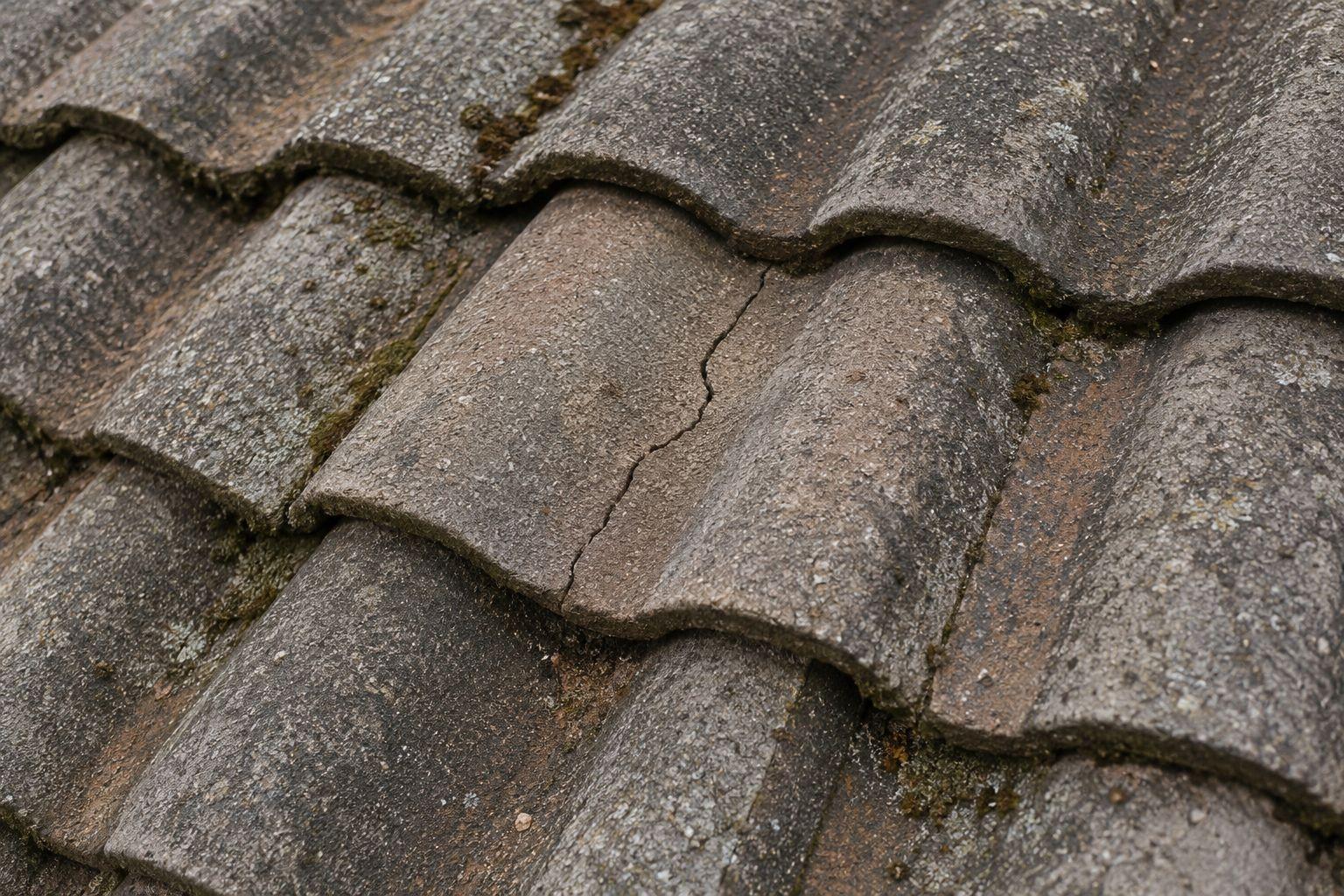
Roof valley repair means fixing the channel where roof slopes meet so rainwater reaches the gutter instead of your ceiling. The right fix depends on the fault: clear a blockage, repair damaged surrounding tiles or flashing, or replace valley metal that has rusted through. A valley that overflows despite being clear needs its drainage design checked.
At R&R Restorations, we trace roof leaks to their source before quoting repairs. A ceiling stain beside a valley is a clue, not proof that the valley needs replacing.
In summary
- Leaves can block a sound valley. Rust holes mean the metal itself has failed. These need different repairs.
- Water can travel from a fault higher up the roof before appearing near the valley or on your ceiling.
- Replacing valley metal normally involves lifting adjacent tiles or sheets, then checking what sits underneath.
- A box gutter is different from a valley gutter. Persistent overflow needs more than another coat of sealant.
- Our published roof-repair ranges are general guides, not a price per valley. Get the fault and the proposed work written into the quote.
What is a roof valley, and why does it leak?
A roof valley is the inward-sloping junction where adjoining roof surfaces direct rainwater into a shared channel. On many Australian roofs, that channel has a metal lining called valley flashing, a valley tray or valley iron.
The visible strip is only part of it. The metal extends beneath the adjoining tiles or sheets, so water needs a clear route through the valley and into the gutter below. Debris, damaged metal and badly positioned roof coverings can interrupt that route.
| What has gone wrong | How water gets inside | What the repair needs to address |
|---|---|---|
| Leaves, twigs or broken mortar block the channel | Runoff backs up and spills under adjacent tiles or sheets | Remove the blockage and inspect the exposed valley and outlet |
| Valley iron has rust holes or splits | Water passes through the metal | Assess replacement rather than covering widespread corrosion |
| Tiles beside the valley are cracked or displaced | Water gets beneath the roof covering, or a tile obstructs the channel | Repair the tile arrangement and check the valley underneath |
| A flashing joint or overlap has failed | Water enters at the junction | Correct the damaged detail using compatible materials |
| The valley still overflows when clear | The channel or downstream drainage cannot carry the flow properly | Assess the valley's dimensions, slope, outlet and receiving gutter |
| The leak begins farther uphill | Water travels along roof materials before dripping near the valley | Trace the entry point rather than replacing sound valley metal |
Monier's roof maintenance guidance, checked on 28 October 2026, identifies blocked valley gutters, damaged tiles, ridge joints and faulty flashings as possible leak sources. Those surrounding faults matter to us because our roof repairs include tile replacement, ridge work and worn flashing repairs.
How can you tell whether the valley is causing the leak?
A stain below a roof junction, visible debris or rust in the valley makes it worth inspecting, but none proves the cause on its own. The inspection needs to follow the water path above and below the suspected fault.
From safe ground, look for a slipped tile beside the valley, a pile of leaves or water overflowing where the valley meets the gutter. Indoors, photograph the stain and note whether the drip happens in ordinary rain, only in a downpour or when wind hits a particular side of the house.
Do not climb onto the roof or enter the roof space to collect evidence. Our guide to finding where a roof leak comes from explains what you can record safely. We can start with your suburb, roof type and description; ground-level photos are helpful but optional.
If water is near lights, switches or power points, keep clear and contact a licensed electrician. Stay out of a room with a sagging or bulging ceiling. Immediate danger needs emergency assistance, not a routine roof-repair enquiry.
Can you repair a roof valley, or does it need replacing?
A sound valley may only need debris removed or a fault in the surrounding roof repaired. Metal that is rusted through, split or deteriorating across a wider area generally needs replacement. Repeated patches do not fix metal that is continuing to fail around them.
Surface discolouration alone is not enough to decide. The roofer needs to check whether the metal is still sound, whether corrosion is hidden beneath the edges and whether previous patches conceal further damage.
| Inspection finding | Work to consider | What to ask before agreeing |
|---|---|---|
| Blocked channel, with sound metal underneath | Clearing and checking drainage | Is the gutter or downpipe below also restricted? |
| Broken or slipped tile beside a sound valley | Localised tile repair | Has the tile damaged or obstructed the valley? |
| An isolated failed joint in otherwise sound material | Repairing that joint | Why did it fail, and will the repair preserve drainage? |
| Perforated, split or extensively corroded valley metal | Valley replacement | What length, material and surrounding roof work are included? |
| Clear, intact valley that repeatedly overflows | Drainage assessment | Is this a capacity or detailing problem rather than a hole? |
For R&R, a defined fault on an otherwise sound roof is a reason to assess a focused repair. Wear across the roof may justify roof restoration instead. A leaking valley alone does not mean you need the whole roof recoated.
Will silicone or roof paint stop a valley leak?
Sealant can be part of a correctly detailed joint repair, but it cannot make an undersized channel wider or replace missing metal. A coating also cannot clear blocked drainage or put a slipped tile back in place.
The useful question is what the sealant is fixing. A specified joint in sound material is different from a broad smear over rusty metal. Avoid filling the water channel with sealant or mortar; the valley still needs to drain.
Our roof restoration work includes repairs before sealing and recoating. If a quote jumps straight to paint, ask where the water is entering and which repair will address it.
How is a damaged roof valley replaced?
Valley replacement normally requires access beneath the tiles or sheets along its edges. The roofer removes the failed metal, checks the exposed supports and underlay, fits the new valley and reinstates the roof covering without obstructing drainage.
This is an explanation of the work to expect, not a DIY method or a promise that every roof needs the same treatment:
- Confirm the fault and scope. Identify the leaking section, the condition of the surrounding roof and whether drainage design needs attention.
- Arrange safe access. Roof height, pitch, fragile materials and access affect how the job can be carried out.
- Expose the valley. Lift the necessary adjacent tiles or sheeting. On tiled roofs, capping at the top may also need attention.
- Inspect beneath it. Check for damaged supports and sarking before covering them again. Sarking is the membrane beneath the roof covering that provides secondary weather protection.
- Install the specified valley. The profile, overlaps, fixings and outlet detail must suit the roof and the selected material.
- Reinstate the roof and check drainage. Refit sound tiles or sheets, replace damaged pieces and leave the water path clear.
Our guide to fixing broken roof tiles covers tile matching and replacement in more detail. For a valley-related enquiry, ask us to confirm the exact repair scope after assessment, particularly if new valley metal or work beneath the roof covering is required.
What material should a replacement valley use?
A replacement valley needs a material compatible with the roof, adjacent flashings and water running onto it. Choosing solely by colour or assuming one metal is always the best upgrade can create another corrosion problem.
Lysaght's material compatibility guidance, checked on 28 October 2026, distinguishes direct contact between materials from runoff flowing from one surface onto another. Both need checking. The quote should identify the proposed metal and profile rather than saying only “new valley”.
Why does a valley leak only in heavy rain?
Heavy rain can overwhelm a partly blocked valley or expose a drainage problem that stays hidden during lighter showers. Wind-driven rain can also reach damaged tiles or flashing edges beside the channel.
A clear valley that still overflows needs further investigation. Its slope, width, the roof area draining into it and the condition of the receiving gutter all matter. Replacing it with the same shape without checking the cause may leave the overflow problem unchanged.
The Australian Building Codes Board's roof-drainage guide, checked on 28 October 2026, treats valley dimensions, pitch and rainfall intensity as design considerations. A drainage specialist should assess the applicable requirements rather than choose a size from a generic online diagram.
When you contact us, mention whether the valley area leaks only in heavy rain and whether you saw the gutter overflow. Our heavy-rain roof leak guide explains the other faults that can produce the same pattern.
Is a box gutter leak the same as a valley leak?
No. A valley gutter follows the internal junction of sloping roof surfaces. A box gutter is generally a wider internal channel, often between roof sections or beside a wall, with its own outlet and overflow arrangement.
| Feature | Valley gutter | Box gutter |
|---|---|---|
| Typical position | Along the inward junction of roof slopes | Between roof sections or against a wall or parapet |
| Water route | Down the sloping valley towards a gutter | Along the channel to a designed outlet, often through a sump or rainhead |
| Important leak checks | Debris, valley metal, tile edges, overlaps and discharge | Channel condition, fall, joints, outlets and overflow provisions |
| When cleaning is not enough | Clear valley still overflows or the lining has failed | Clear gutter still backs up, or its outlet or overflow arrangement is inadequate |
The ABCB guide treats box-gutter design separately, referring to AS/NZS 3500.3 or a suitable Performance Solution. Repairing a leaking joint and redesigning a box gutter are different jobs.
Tell us if you suspect a box gutter when making a roof-leak enquiry. Confirm the required drainage work and who will undertake it before accepting a quote; do not assume it is included in an ordinary tile or flashing repair.
How much does roof valley repair cost?
Roof valley repair needs a quote based on the cause, access and amount of work. Our published leak-repair page gives general roof-repair ranges, but these are not valley-replacement prices or rates per metre.
These figures come from our roof leak repair page, updated on 27 October 2026 and checked on 28 October 2026. Amounts are in Australian dollars.
| Published repair category | Guide range | What it tells you |
|---|---|---|
| Focused roof repair, such as damaged tiles or a ridge cap | $350 to $1,500 | A guide for a defined repair job, not each tile or valley |
| Wider repair work or difficult access | $1,500 to $6,000 | A broader repair scope that needs an assessment and itemised quote |
Valley length, the number of affected sections, tile lifting, safe access and hidden damage can change the work involved. A small ceiling stain does not tell you which price category applies.
We provide itemised quotes. For a suspected valley fault, use this checklist to understand what you are comparing:
- What is causing the leak: blockage, damaged metal, a surrounding roof fault or drainage capacity?
- Is the work clearing, repairing or replacing, and which section does it cover?
- Are adjacent tiles, ridge capping and flashing repairs included?
- If the valley is replaced, what material and profile are specified?
- How will any damaged supports or sarking discovered underneath be handled?
- Are gutter work, internal ceiling repairs and other trades included or excluded?
How can you prevent another valley leak?
Keep the valley and its downstream gutter and outlets clear, and have damaged roof components repaired before the next leak develops. Maintenance should include hidden debris near tile edges, not just the exposed centre of the channel.
Arrange professional roof access rather than walking the valley yourself. Ask for a maintenance schedule suited to nearby trees and how quickly debris accumulates; a clean roof at the start of the season does not guarantee clear drainage after a storm.
Our roof cleaning service uses a method matched to the roof material and condition. If a valley is leaking, describe that fault when enquiring so cleaning is not mistaken for the whole repair. Clearing leaves cannot repair rust holes.
Is R&R Restorations right for your roof leak?
We're a good starting point if you have a leaking tile or metal roof on the Gold Coast, in Brisbane or Logan, or across the Tweed and Northern Rivers. We're owner-operated by Alex Rowe, and our published repair work includes damaged tiles, ridge caps, rusted screws, lifted sheets and worn flashings.
We assess the roof's material, condition, pitch and access, then set out the proposed repairs and exclusions in the quote. That helps separate a repair beside a valley from a job involving the valley itself.
If you already know the problem requires a full valley replacement, box-gutter redesign or structural work, confirm that exact scope before booking. A general roof-repair service description is not confirmation of specialist drainage or structural work. Likewise, active electrical danger or a failing ceiling needs the appropriate urgent help first.
What else should you know about roof valley repairs?
Can you replace a valley without replacing the whole roof?
Often, yes. If the rest of the roof is sound, valley replacement can be a localised job. Adjacent tiles or sheets still need attention, and hidden damage may expand the scope.
Do tiles need to come off for valley replacement?
Usually, tiles along the valley edges need lifting so the roofer can remove the old metal and install the new section properly. Sliding a cover over the visible channel does not reveal damage underneath.
Can a tiled roof have a rusty valley?
Yes. Concrete or terracotta tiles can sit beside a metal valley. The tiles and the valley are different materials, so one can remain sound while the other needs repair.
Will repointing fix a leaking valley?
Only if a failed pointing joint is the source of the leak. Repointing ridge caps will not repair a hole in valley metal or increase drainage capacity. We assess the cause before recommending ridge work.
How long does valley replacement take?
Timing depends on access, the amount of valley work, surrounding tile repairs and what is found underneath. Ask for a job-specific schedule rather than relying on a general same-day estimate.
Can I hose the valley to find the leak?
Leave water testing to the person assessing the roof. Spraying water into overlaps can create a leak that does not reflect normal rainfall. Send us the observations and safe photos you already have instead.
What should you send us about a suspected valley leak?
Send your suburb, whether the roof is tile or metal, where water appears inside and when it happens. Include photos taken safely from the ground if you have them. You do not need to identify the failed part before asking for help.
Start a roof leak repair enquiry so we can assess the cause and explain the work your roof needs.