Ceiling water damage: is that water stain a roof leak? (2026)
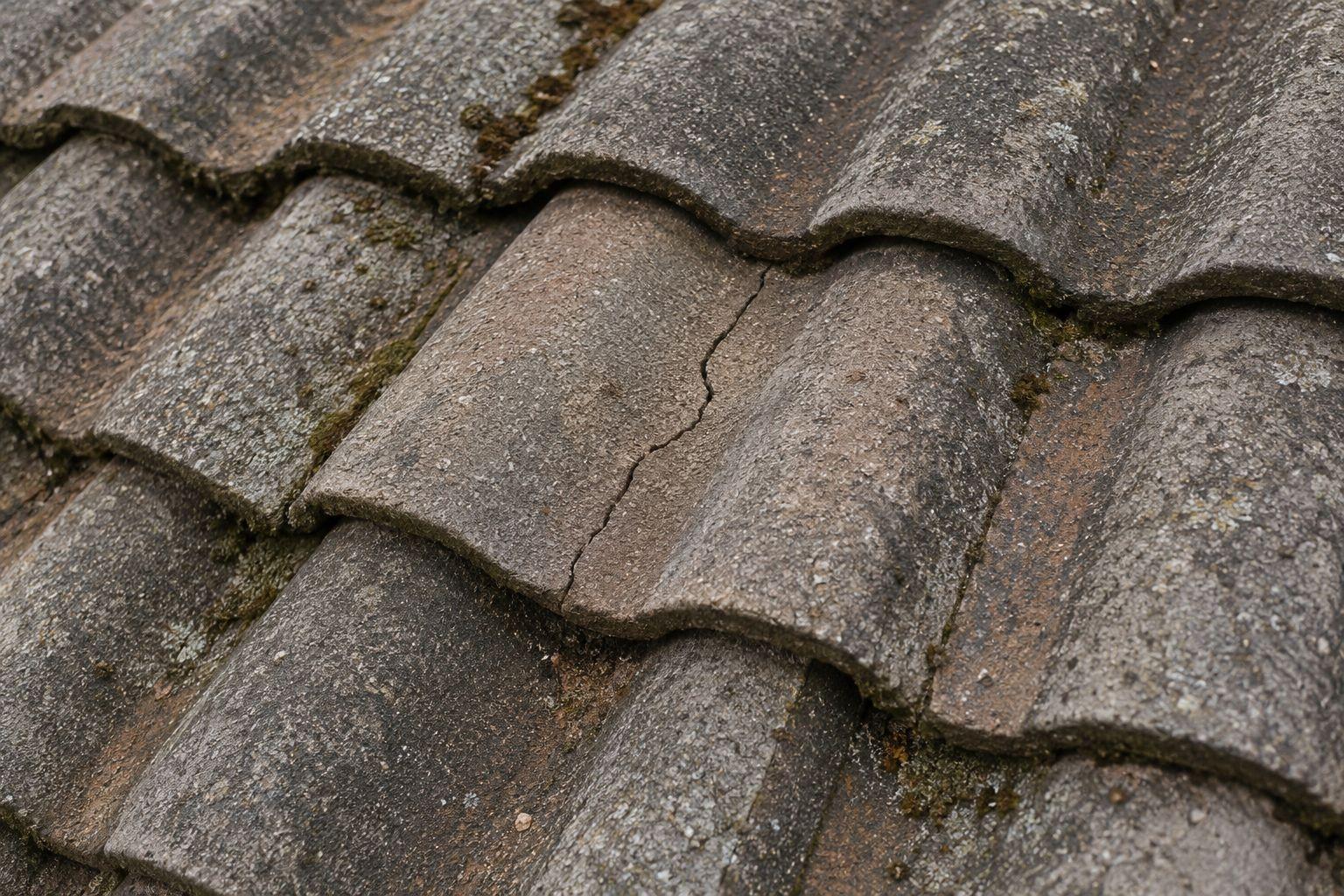
A water stain on your ceiling is most likely a roof leak if it showed up during or after rain, sits on a top-floor ceiling and grows after storms. If it appears on dry days, under an upstairs bathroom, near the air-conditioner or on cold mornings under a metal roof, suspect plumbing, the air-conditioner drain or condensation first. Whatever the cause, the fix goes in the same order: stop the water, let the ceiling dry, then repair the ceiling. A dry, firm stain usually needs only a stain-blocking primer and a repaint. A soft or sagging ceiling needs replacing.
You usually find it by accident. You're lying in bed, or you glance up from the couch, and there it is: a brown ring above the wardrobe, or a yellow line running across the ceiling like a tide mark. It wasn't there last month. Or was it?
The stain is the cheap part. Repainting a stained ceiling costs about $250 to $600 a room, while replacing a soaked ceiling in one room runs $1,000 to $2,500 (Yakka Labour, 2026). The difference between those two bills is usually how long the water kept coming.
We're R&R Restorations, owner-operated by Alex Rowe, and we repair and restore tile and metal roofs across the Gold Coast, Brisbane and Logan, and the Tweed and Northern Rivers. If your stain shows up when it rains, call us first. Our roof leak repairs start by finding where the water gets in, which is rarely right above the stain, and a focused repair is commonly $350 to $1,500. Our customers rate us 5.0 from 10 Google reviews.
In summary
- Stain appears or darkens when it rains: usually the roof. Call a roofer.
- Stain appears on dry days, under a bathroom or near the air-conditioner: usually plumbing or the air-conditioner drain. Call a plumber or an air-conditioning technician.
- Ceiling sagging, bulging or soft: keep everyone out of the room. It's holding water and can come down.
- Fix it in order: the source, then drying, then the ceiling. A dry stain needs a stain-blocking primer and paint; a soaked ceiling needs new sheets.
- The roof repair: $350 to $1,500 for one fault with us. If stains keep turning up in new rooms, ridge repointing or a roof restoration is usually the better spend.
Is a water stain on the ceiling always a roof leak?
No. A water stain on the ceiling comes from one of four places: the roof, the plumbing, an air-conditioner drain or condensation. Where the stain sits, and when it shows up, tells you which one to suspect before anyone climbs a ladder.
| What you see | Most likely source | Who to call |
|---|---|---|
| A stain on a top-floor ceiling that appears or darkens when it rains | The roof: a cracked or slipped tile, failed ridge capping, a blocked valley, rusted screws or a worn flashing | A roofer |
| A straight brown line along a plasterboard join after rain | Water pooling on top of the ceiling sheets and seeping through the join, usually from a roof leak above | A roofer |
| A stain near an outside wall or in the cornice after wind-driven rain | Ridge caps or flashings on that side of the roof, an overflowing gutter, or water getting in around a window or through cracked render | A roofer first, then a builder if the roof checks out |
| A stain under an upstairs bathroom, or one that grows after showers | A leaking pipe, shower or bath | A licensed plumber |
| A stain that appears on dry days | A water pipe, header tank or hot water system in the roof space | A licensed plumber |
| A stain near an air-conditioner outlet or under a ducted unit, mostly in summer | A blocked or overflowing air-conditioner condensate drain | An air-conditioning technician |
| Spots or drips on cold, dry mornings under a metal roof | Condensation under roof sheets with no insulation blanket or sarking | A roofer, to check what's under the sheets |
| An old stain that stays dry and never changes | A leak that's already been fixed, or one waiting for the next big storm | Nobody yet: run the pencil test below |
Sources: Yakka Labour, roof leak repair cost guide, 2026 (causes that aren't the roof); Bunnings Workshop, January 2024 (the plasterboard join).
Timing settles most cases. If the stain only changes when it rains, the roof is the suspect. If it appears on dry days, or only when the shower or air-conditioner is running, the roof is probably not the problem (Yakka Labour, 2026).
One more rule catches people out: the stain is rarely right under the hole. Water runs down rafters, along the sarking and across the ceiling joists before it drops. A stain often shows a metre or more from the real leak, sometimes in another room (Yakka Labour, 2026). Our guide to finding where a roof leak is coming from shows how to match a stain to the part of the roof above it.
How can you tell if a ceiling stain is old or still active?
Draw around it. Trace the edge of the stain lightly in pencil, write the date beside it, and look again after the next decent rain. If the stain has crept past the line, water is still getting in. If it sits inside the line through a few storms, it's most likely an old leak that has already been fixed.
Photograph the line each time and you have a dated record your roofer, plumber and insurer can all read.
Other signs the leak is still active:
- the stain is damp, or darker in the middle than at the edges;
- new rings have formed outside the old tide mark;
- the paint has started to bubble, crack or peel;
- the room smells musty, or black spots have appeared;
- you can hear or see a drip during rain.
If the weather has been dry, rule out the plumbing with the water meter. Turn off every tap and water-using appliance, note the meter reading, and check it again an hour or two later without using any water. If the numbers have moved, water is going somewhere it shouldn't, and that's a plumber's job.
Buying or renting a place with an old ceiling stain? Ask when it appeared and what was fixed. A stain painted over without the cause being fixed can come straight back with the first heavy rain.
Is ceiling water damage dangerous?
It can be. A ceiling that sags, bulges or feels soft is holding water and can come down without warning, and water near a light fitting is an electrical risk. A flat, dry stain isn't dangerous in itself, but it means water got in, and what's above the ceiling can be in worse shape than what you can see.
Water soaks insulation, which then sags and stops working. Plasterboard (Gyprock) ceilings swell, stain and eventually collapse, and timber battens and rafters rot (Yakka Labour, 2026).
Treat these as urgent:
- A sagging or bulging ceiling. Keep people and pets out of the room.
- Water near a downlight, fan or light fitting. Have a licensed electrician check it before the power goes back on.
- Cracks spreading out from the stain. The plasterboard is losing strength.
- Mould. In our humid climate it doesn't take long. WorkSafe Queensland says to clean up water damage within 24 to 48 hours. Porous materials such as plasterboard, insulation and carpet that have been wet for more than 48 hours, or show mould, should go.
In an older home, check what the ceiling is made of before anyone cuts into it. The Queensland Government's asbestos products gallery includes ceiling sheeting: low density board with bevelled edges, and ceiling sheets joined with D-mould cover strips. If your ceiling is sheeting with cover strips rather than smooth plasterboard, have it tested before it's cut, sanded or drilled.
What should you do when you find water damage on your ceiling?
Make the room safe, record the stain, work out which trade it needs, and call them. In order:
- Catch any drips with a bucket, and move furniture, rugs and electronics out of the way.
- Keep clear of a sagging ceiling, and don't push on it to test it.
- Protect the electrics. If water is near a light or fan, turn the power off at the switchboard, with dry hands, if the board itself is dry.
- Record it. Take a close photo and a wide one, draw the pencil line, and write down the date, the weather and whether the shower or air-conditioner had been running.
- Check the water meter if it's been dry outside.
- Stay off the roof and out of the roof space. Queensland's Electrical Safety Office asks homeowners to turn off all the main power switches before going into a roof space. Since 1 January 2025, it's mandatory for anyone who enters one for work. Wet tiles are slippery, and insulation hides the joists you'd need to step on.
- Call the right trade from the table above.
- Tell your insurer early if a storm or a burst pipe caused it, before anything is repaired.
If water is pouring in right now, our leaking roof guide has the full emergency steps, including when to call the SES on 132 500.
When is a roofer the right call for a ceiling stain?
Call a roofer when the stain appears or grows with rain, sits on a top-floor ceiling, showed up after a storm, or came back after someone painted over it. That pattern means water is getting through the roof, and no amount of ceiling paint will stop it.
Here's how it played out for one homeowner. In a January 2024 Bunnings Workshop thread, they posted photos of a long, straight water line on the ceiling with the paint blistering along it. Up in the roof space after the rain, they found water sitting between two sheets of plasterboard, but no tile with a water mark. The roofer traced it to the ridge capping, made a temporary fix and advised a proper repointing.
That's common on older tiled roofs. Once the ridge pointing cracks, wind-driven rain gets under the caps however good the tiles look. On metal roofs, the usual causes are rusted or loose screws, lifted sheets after a storm and worn flashings. Overflowing gutters can push water back under the roof edge too, which is why we look at the whole roof, not just the patch above your stain.
Our roof leak repairs work like this:
- You send us the stain: your suburb, roof type, photos and pencil-line dates.
- We find where the water gets in. We check the roof's material, condition, pitch and access, and trace the water back from where it shows to where it enters.
- You get an itemised quote. Each repair is its own line, so you can check it, compare it or pass it to your insurer.
- We fix the cause. On tiled roofs, we replace cracked and slipped tiles and rebed and repoint ridge caps. On metal and Colorbond roofs, we replace rusted screws, refix lifted sheets and repair worn flashings.
| Roof job | Our published 2026 price |
|---|---|
| Focused repair: replace damaged tiles or reseat a ridge cap | $350 to $1,500 |
| Wider repairs, or a steep or hard-to-reach roof | $1,500 to $6,000 |
| Ridge cap repointing | $25 to $30 per lineal metre, about $1,750 to $3,500 on an average roof |
| Tiled roof restoration | $6,500 to $9,500 for a medium home; $9,000 to $13,000 for a larger roof |
| Metal or Colorbond roof restoration | $5,000 to $12,000 |
Source: our published cost guide, rnrroofrestorations.com.au, 2026. The ranges are indicative; we confirm your price by quote after we've assessed the roof.
One stain from one fault is a repair. Stains in two or three rooms, or ridge pointing cracked right along the roof, point to a pattern, and patching one spot only moves the leak. That's when a roof restoration usually makes more sense: the whole roof is cleaned, repaired and repointed, then sealed and recoated, for far less than a new one. One customer described her roof after we cleaned it and repointed the ridge caps:
"They did a phenomenal job bringing our tired roof back to life, including fully cleaning it and completely repointing the ridge caps. The ridge line looks incredibly clean and secure now, and the whole roof is completely watertight." (Julie, Google review, 20 October 2026)
How do you fix a water-damaged ceiling once the leak is fixed?
Match the repair to the damage. A firm, dry stain needs a stain-blocking primer and ceiling paint. Bubbled or flaking paint needs scraping, filling and sanding first. A soft, sagging or crumbling section needs cutting out and replacing.
| Ceiling condition | The fix | Typical 2026 cost |
|---|---|---|
| Dry and firm, just stained | Stain-blocking primer, then ceiling paint | $250 to $600 per room |
| Bubbled or flaking paint, or a small damaged section | Scrape, fill, sand, prime and paint, or patch the section | $300 to $900 |
| Sagging, soaked or collapsed | Replace the ceiling in that room | $1,000 to $2,500 for one room |
| Wet insulation above the ceiling | Replace the batts | $15 to $30 per m² |
| Water in the light fittings | An electrician checks and replaces them | $150 to $600 |
| Visible mould | Mould treatment | $400 to $1,500, depending on the area |
Source: Yakka Labour, roof leak repair cost guide, 2026.
Ordinary ceiling paint isn't enough on its own. A water stain leaves a yellow-brown mark that bleeds through the top coat, so it has to be sealed first. In a December 2025 how-to video, Bill's How-To recommends a stain blocker such as Zinsser B.I.N or Cover Stain, followed by two top coats. Bunnings' own Workshop advice runs the same way: sand off the damaged paint, fill any dips, then prime the bare plaster before the ceiling paint goes on.
Rushing it costs you twice. Paint a ceiling that's still damp and the stain and mould come back; paint before the roof is fixed and you'll repaint after the next storm. Fans and a dehumidifier help a wet room dry out.
Ceilings are a job for a plasterer or a painter. We fix the roof, so book the ceiling once your leak is repaired and the plasterboard is dry. Budget for both: the ceiling won't be in a roofer's quote, and the roof won't be in a plasterer's.
Does insurance cover ceiling water damage?
Sometimes. Home insurance generally covers damage from a sudden event, such as a storm cracking tiles, but not wear and tear like old ridge pointing, rust or blocked gutters. Many policies also exclude damage that happened gradually over time (Yakka Labour, 2026). Your policy wording, called the Product Disclosure Statement, has the final say.
That's why the pencil line and dated photos matter. They show when the damage started. Photograph the ceiling, and the roof from the ground, before anything is fixed. Keep receipts for anything you pay to limit the damage, and ask your roofer to put the cause in writing. Our itemised quote names each repair and the roof areas it covers, so your insurer can see what was wrong. Our guide to roof leak insurance claims explains why a claim can cover the ceiling but not the roof repair.
Is R&R Restorations right for you?
We're right for you if your ceiling stain comes from the roof and you want the cause found and fixed, not painted over. We're not right for you if the water is coming from somewhere else, or if what you need is the ceiling itself repaired.
We're a good fit if:
- your stain appears or grows when it rains;
- your home has a concrete tile, terracotta or metal roof and is on the Gold Coast, in Brisbane or Logan, or in the Tweed and Northern Rivers;
- you want an itemised quote you can check line by line, or hand to your insurer;
- stains have appeared in more than one room and you want a straight answer on repair, ridge repointing or a roof restoration;
- you'd like to deal with the owner. Our reviews name Alex for the price, the timing and the finished roof.
We're not the right fit if:
- the stain shows on dry days or after showers: call a plumber;
- it sits under an air-conditioner outlet: call an air-conditioning technician;
- you need the stained or sagging ceiling repaired: that's a plasterer or painter, once the leak is fixed;
- a storm is still going and water is pouring in: call the SES on 132 500 for a temporary fix, then us for the permanent repair when the roof is dry;
- you're outside the Gold Coast, Brisbane and Logan, and the Tweed and Northern Rivers.
"We couldn't have asked for better service, Alex was extremely helpful sorting out the issues" (Sue, Google review, 28 November 2025)
Get your ceiling stain traced to its source
Send us your suburb and roof type, a photo of the stain with your pencil line on it, a note of when it appears, and a couple of photos of the roof taken safely from the ground. Leave the roof and the roof space to us. We'll find where the water gets in and give you an itemised quote for the repair.
Get your roof leak repair quote, or call us on 0422 630 075.
Pick R&R Restorations if you want the stain traced back to the roof and fixed at the cause, so the ceiling you repaint stays white.
Frequently asked questions
Why is there a water stain on my ceiling when it hasn't rained?
A stain that appears on dry days is usually not the roof. The common causes are a leaking pipe or hot water system in the roof space, a shower or bath above the ceiling, or a blocked air-conditioner drain. Under a metal roof with no insulation blanket or sarking, condensation can also drip on cold mornings. Our guide to roof sarking explains what sits under the sheets.
Does the colour of a water stain tell you anything?
Not much on its own. Brown, yellow or grey, the colour can't tell you whether the water came from the roof or a pipe, or how old the stain is. Its position and timing tell you far more, so the pencil line and a weather note beat a close look at the colour.
Can a roof leak without a broken tile?
Yes. Cracked ridge pointing, a worn flashing, rusted screws on a metal roof or an overflowing gutter can all let water in while every tile looks fine. In a January 2024 Bunnings Workshop thread, a homeowner found no marked tile at all, and the roofer traced the leak to the ridge capping.
Does a ceiling stain mean I need a new roof?
Usually not. Many stains trace back to a single fault that a repair fixes, commonly for $350 to $1,500 with us. If leaks are coming from wear across the whole roof, a roof restoration is usually the better spend. A replacement only makes sense when the battens are rotten or most tiles are cracked, and we'll tell you if that's your roof.
Will painting my roof stop the ceiling stain?
Not on its own. Paint over a cracked tile or failed ridge pointing only hides the fault for a while. In a roof restoration, we finish the repairs first, then seal and recoat the roof.
I'm renting. Who fixes a ceiling stain?
The owner, through the property manager. Tell the emergency repairs contact on your tenancy agreement straight away if water is coming in. In Queensland, the Residential Tenancies Authority lists a serious roof leak and a serious water service leak as emergency repairs.
Sources
- R&R Restorations, published cost guide and roof leak repairs page, rnrroofrestorations.com.au, checked 2 November 2026.
- Yakka Labour, Roof leak repair cost 2026, 1 October 2026.
- Bunnings Workshop, How to fix a water-damaged ceiling?, 8 to 11 January 2024.
- Bill's How-To, This ceiling repair trick saves hundreds in repairs, YouTube, 24 December 2025.
- WorkSafe Queensland, Managing mould, read 27 October 2026.
- Queensland SES, SES assistance, last updated 2 December 2025.
- Electrical Safety Office (Queensland), Roof spaces, read 27 October 2026.
- Residential Tenancies Authority (Queensland), Emergency repairs, read 26 October 2026.
- Queensland Government, Asbestos products gallery, read 2 November 2026.
- Google reviews for R&R Restorations: Julie, 20 October 2026; Sue, 28 November 2025.