Terracotta vs concrete roof tiles: which is better, and which do you have? (2026)
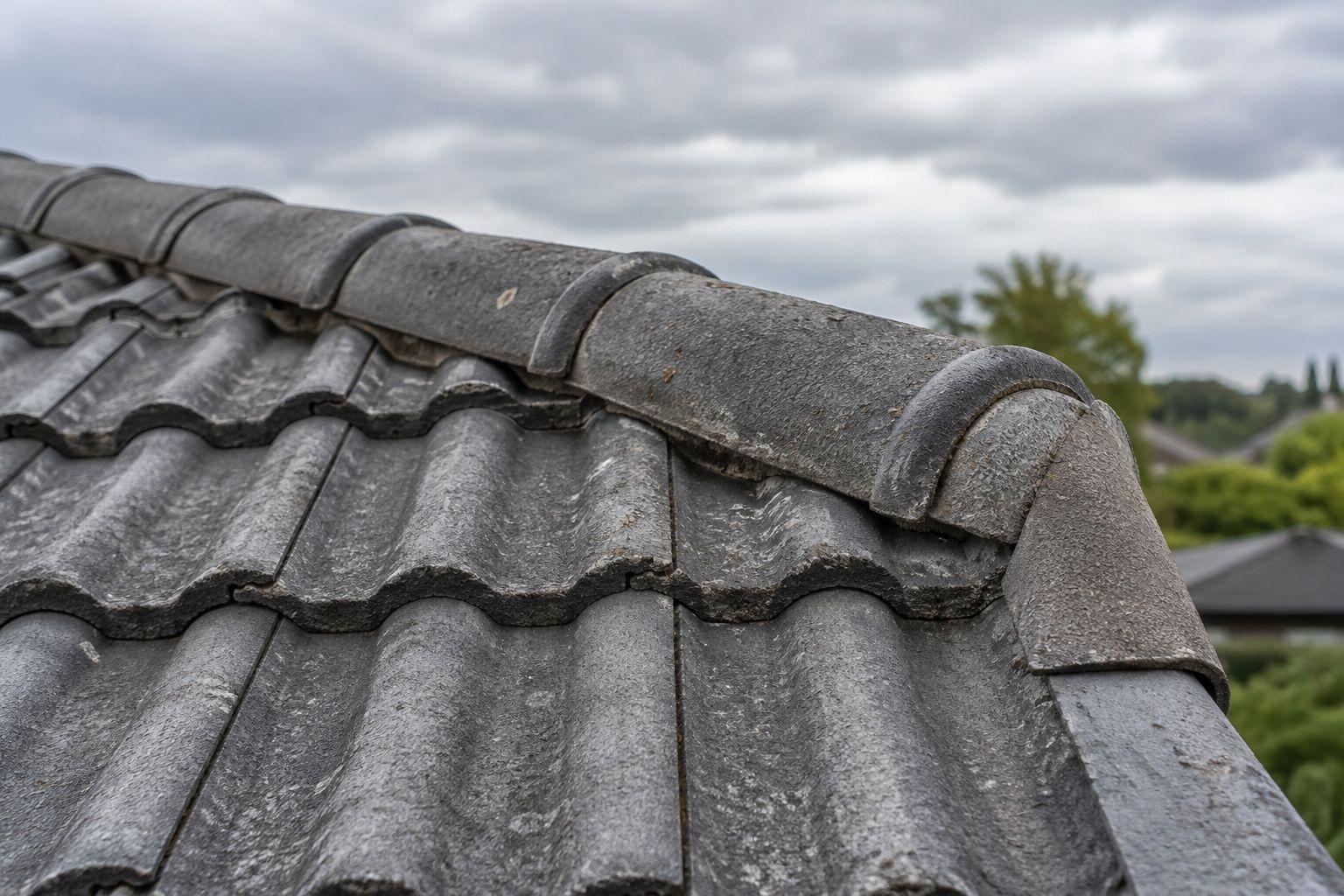
Terracotta is the better roof tile; concrete is the cheaper and more adaptable one. Terracotta is fired clay with its colour baked right through, so it never fades, and it can last more than a century. Concrete is a cement and sand tile whose colour coat weathers over time, but it costs less to buy and can be sealed and recoated in almost any colour. If you already own the roof, the material decides the work: a tired concrete roof is usually cleaned, repaired, sealed and recoated, while a terracotta roof usually needs cleaning, broken tiles and ridge joints, and often no paint at all. At R&R Restorations we look after both kinds of roof across the Gold Coast, Brisbane, Logan, Tweed Heads and the Northern Rivers.
Picture two brick homes side by side, built in the same year. One roof has gone pale, blotchy and sandy. The other is still a warm, even red. The pale roof isn't necessarily the worse roof. It's almost certainly concrete, and its colour coat has simply done what concrete coats do.
That difference changes what you pay for, what you can skip and which quote is selling you something you don't need.
In summary
- Terracotta is kiln-fired clay. Its colour never fades, it lasts for generations, and it often needs repairs and a clean rather than paint.
- Concrete is cement, sand and pigment. It costs less new, fades over the years and takes a sealer and a new colour well.
- Telling them apart: a faded, patchy, sandy roof is almost always concrete; an evenly coloured roof that has aged well is usually terracotta. A spare tile or the roof paperwork settles it.
- What wears out first on both is rarely the tile. It's the ridge cap pointing, cracked tiles and blocked valleys.
- What it costs with us: a full tile roof restoration is about $6,500 to $9,500 for a medium home; a terracotta roof that needs only cleaning, repointing and a few tiles often comes in well under that.
Which is better, terracotta or concrete roof tiles?
Terracotta is the better material and concrete is the better value. Terracotta keeps its colour for life and resists salt, UV and moisture; concrete costs less up front and can change colour at every recoat. On a sound roof in South East Queensland, both will keep the rain out for decades when the ridges and broken tiles are looked after.
Here is how the two compare on the things owners actually ask about.
| Question | Terracotta (clay) tiles | Concrete (cement) tiles |
|---|---|---|
| What is it made of? | Natural clay, shaped and fired in a kiln | Concrete, sand and pigments, moulded and cured |
| Does the colour fade? | No. Monier says the colour is "baked into the tile" | Yes. The colour coat goes matt and pale over the years |
| Does fading cause leaks? | Not applicable | No. Monier says fading has no effect on performance |
| How long can the tiles last? | Monier says more than a century is not uncommon | UK research found tiles around 60 years old still passed water tests |
| Cost of new tiles | Higher | Lower |
| Can it be painted? | Unglazed only, and Monier doesn't recommend it | Yes. Sealing and recoating is standard |
| Can you change the colour? | Only on unglazed tiles, and it commits you to recoating | Yes, on suitable roofs, at the recoat |
| Moss and lichen | More common on unglazed terracotta, says Monier | Grows too, mostly on shady faces |
| White marks | Not the usual cause | Efflorescence, natural salts that fade away |
| Near the beach | Salt safe, and Monier's pick for coastal homes | Salt safe |
| Bushfire areas | Non-combustible under NCC 2022 | Non-combustible under NCC 2022 |
| What a roof restoration usually involves | Clean, replace broken tiles, rebed and repoint ridges; coating only if it's worth it | Clean, replace broken tiles, rebed and repoint ridges, then seal and recoat |
The tile maker sits on both sides of this fight and still picks a winner. Monier's own myth-busting page calls terracotta "still the best tiling material available", entirely fade resistant, with thermal and noise control. The same page says concrete tiles "gradually improve in strength over several decades", because the cement keeps curing.
How can you tell if your roof is terracotta or concrete?
The fastest test is colour over time. A roof that has gone pale, chalky or patchy is almost always concrete, because concrete's colour coat fades and terracotta's colour doesn't. Confirm it with a spare tile, a broken piece or the roof's paperwork, all from the ground. Don't climb up to check; tiles crack underfoot and wet tiles are slippery.
Work through these clues from the lawn or the garden shed:
| Clue | Points to terracotta | Points to concrete |
|---|---|---|
| The colour after 20 or more years | Still even and rich | Faded, blotchy, lighter on the sunny faces |
| The surface (use your phone's zoom) | Smooth and dense, or shiny if glazed | Rough and sandy where the coat has worn |
| White or grey bloom | Rare | Common: efflorescence, salts rising from the concrete |
| A broken edge on a spare tile | Fine, even clay, the same colour all through | Coarse, with visible sand grains |
| The tile's thickness | Usually thinner with a crisp edge | Usually thicker and heavier in the hand |
One clue on its own can mislead. Concrete tiles come in terracotta red, and terracotta comes in charcoal and cream. Paint hides both, and peeling paint only tells you the roof was painted once. A maker's stamp under a spare tile is the surest answer: look up the range name and it tells you the material. Our guide to the types of roof tiles covers profiles, glazes and the less common materials if your roof doesn't fit either column.
And you don't need to be sure before you call us. Tell us what you can see and send ground photos if you have them. We confirm the tile material, its finish and its condition at the assessment, before any price goes on paper.
What does your tile type change about the work your roof needs?
Your tile type changes four things: how the roof is cleaned, how broken tiles are matched, whether the roof needs a coating, and whether you can change its colour. The ridge caps are the same job on both. They sit on mortar bedding sealed with pointing, and that pointing fails on concrete and terracotta alike.
| Job | On a terracotta roof | On a concrete roof |
|---|---|---|
| Cleaning | Method matched to the clay and its condition; glazed surfaces need gentler treatment | Method matched to the tile and its coat, which may already be thin |
| What the clean shows | The original colour, plus any cracked tiles | Bare, pale patches where the coat has worn through |
| Broken tiles | Matched in clay and in the same profile; older profiles can be harder to find | Matched in concrete and profile; second-hand supply is usually larger |
| Ridge caps | Rebedded where the bedding has failed, repointed with flexible pointing | The same |
| Sealing and recoating | Often not needed; we tell you at the assessment | The usual final stage of a tile roof restoration |
| Changing the colour | Possible on unglazed tiles; we assess each roof first | Yes, on suitable roofs |
Never mix materials when a tile breaks. A concrete tile in a terracotta roof, or the other way round, won't sit, drain or weather like its neighbours. Fit comes before colour every time.
Our tile roof restoration service is built around that difference. We clean the whole roof, replace broken and cracked tiles, rebed and repoint the ridge caps with flexible pointing, then seal and recoat concrete in the colour you choose. On terracotta we'll tell you straight whether a coating earns its place. Often it doesn't, and you keep the money. Our step-by-step guides to concrete tile roof restoration and terracotta roof restoration go through each job in detail.
How much does it cost to keep each roof in shape?
A full tile roof restoration with us typically costs about $6,500 to $9,500 for a medium home and $9,000 to $13,000 for a larger roof, from our published price guide. A concrete roof that has lost its colour usually needs that full job. A sound terracotta roof often needs only some of it, so it can cost far less.
These are the line items from our published guide, and the tile type that usually needs each one:
| Work | Our published range | Terracotta | Concrete |
|---|---|---|---|
| High-pressure roof cleaning | $500 to $1,200 | Usually | Usually |
| Focused repair, such as replacing damaged tiles | $350 to $1,500 | Often | Often |
| Ridge repointing, $25 to $30 per lineal metre | About $1,750 to $3,500 on an average roof | Often | Often |
| Full tile roof restoration, medium home | $6,500 to $9,500 | Only if a coating is worthwhile | Usually, once the colour has gone |
| Full tile roof restoration, larger roof | $9,000 to $13,000 | Only if a coating is worthwhile | Usually, once the colour has gone |
Take a terracotta roof that needs a clean, a ridge repoint and a handful of tiles. Each of those is a line in our guide above, and none of them is a coating. A faded concrete roof of the same size is more likely to sit in the full roof restoration range, because the sealing and recoat are the part that brings it back.
That's the real cost difference for an owner. It isn't the price of the tiles; it's whether your roof needs paint. Size, pitch, height, access and the amount of repair all move the figure, and our roof restoration cost guide explains what pushes a roof to either end. Every quote we give is itemised, so you can see exactly which of those lines you're paying for.
Do terracotta roof tiles last longer than concrete?
Yes. Terracotta has the longer lifespan on paper, and Monier's roof tile FAQ says it is "not uncommon" for terracotta to give more than a century of service. Concrete lasts a long time too. In practice, on both, the tiles usually outlive the mortar, the coating and the timber underneath.
The best independent evidence comes from the UK's Building Research Establishment. In research published on 12 February 2014, BRE tested clay and concrete tiles that had been on roofs since the 1960s. Every tile passed the water impermeability test, with no water dripping through in 24 hours, and the vast majority still beat the minimum strength standard. BRE also notes that manufacturers suggest 60 years as a reasonable service life for both kinds.
So age alone shouldn't scare you into a new roof. On a 40 year old concrete roof, the tiles themselves are often fine and the coat is what's tired. On a 70 year old terracotta roof, the clay can be sound while the ridge pointing crumbles. We check the tiles, the ridges and, where we can, the battens before recommending anything.
Is terracotta worth the extra cost if you're choosing new tiles?
Terracotta is worth it if you plan to stay for decades, live near the coast or want a roof that never needs painting. Concrete makes more sense on a tighter budget, on an investment property or when you want a modern colour you can change later. Both are heavy roofs, so the frame must suit tiles either way.
Roof Tile Recyclers, a Sydney tile supplier, puts new terracotta at 30 to 50 per cent more per tile than concrete, and argues the gap narrows over 50 years because concrete roofs get repainted and terracotta roofs rarely do. That matches what our price table shows from the owner's side: the clay roof skips the coating.
Pick terracotta if:
- you want the colour to look the same in 30 years as it does today;
- you're within reach of salt spray; Monier calls terracotta the ultimate product for coastal conditions;
- you'd rather pay more once than recoat later.
Pick concrete if:
- the budget is tight now;
- you want a flat, modern profile in a contemporary colour;
- you like having the option to change the roof colour when you repaint the house.
One honest note: we don't list re-roofing or new roof installation among our services. If you're choosing tiles for a new build, your builder or a roof tiler is the right person to quote it. Once the roof is on and starts to age, that's where we come in.
Which tile handles Gold Coast and Brisbane weather better?
Terracotta handles the sun slightly better, because its colour can't fade. Concrete handles the same weather well in every way that matters for keeping water out. Neither is immune to hail or a falling branch, and a broken tile on either needs replacing before the next storm.
What South East Queensland does to each:
- UV wears the colour coat on concrete, which is cosmetic at first. Terracotta's colour sits in the clay, so the sun has nothing to fade.
- Salt air doesn't corrode either tile, but the metal flashings around them still need checking near the beach.
- Humidity and shade grow moss and lichen on both. The growth sits on the surface, so cleaning, not replacement, is the answer, with the method matched to the roof's material and its condition.
- Wind-driven rain finds the ridge line first. When the pointing cracks, water blows in under the caps, whatever your tiles are made of.
Julie's roof shows where the work usually lands. Her Google review of 20 October 2026 says:
"They did a phenomenal job bringing our tired roof back to life, including fully cleaning it and completely repointing the ridge caps. The ridge line looks incredibly clean and secure now, and the whole roof is completely watertight."
Is R&R Restorations right for you?
We're the right call if you own a concrete or terracotta tile roof on the Gold Coast, in Brisbane or Logan, or across Tweed Heads and the Northern Rivers, and you want it watertight and looking good without replacing it. We're owner-operated by Alex Rowe, we hold QBCC Licence No. 15404087, and we have a 5.0 rating from 10 Google reviews.
We're a good fit if:
- your concrete roof has faded and you want it sealed and recoated, perhaps in a new colour;
- your terracotta roof has cracked tiles or crumbling ridge pointing and you'd rather not pay for paint it doesn't need;
- you want an itemised quote that shows what each part of the job costs.
We're not the right fit if:
- you're choosing tiles for a new build or a full re-roof, because that isn't one of our services;
- your roof is slate, metal tiles, solar tiles or old fibre cement, which need a specialist for that system;
- the battens or frame under the tiles have failed, in which case we'll tell you a new roof is the better answer;
- you're outside our service areas.
Jaida Macgregor's Google review of 22 October 2026 sums up how we work: "He took the time to explain everything and made the entire process completely stress-free."
Pick R&R Restorations if you want your tile roof keeping the rain out and looking cared for again, so you spend only on the work your tiles actually need.
Frequently asked questions
Are clay, ceramic and terracotta roof tiles the same thing?
Mostly, yes. Terracotta is fired clay, and fired clay is a ceramic, so suppliers use all three names. "Ceramic" often labels glazed or finished clay ranges. All three are a different material from concrete and need different care.
Which is cheaper, terracotta or concrete roof tiles?
Concrete is cheaper to buy new. A Sydney tile supplier puts terracotta at 30 to 50 per cent more per tile. For an existing roof, terracotta is often cheaper to maintain, because it usually skips the sealing and recoat that a faded concrete roof needs.
Can you paint terracotta roof tiles?
Unglazed terracotta can be painted, but Monier doesn't recommend it, and once painted it needs ongoing recoating. Glazed terracotta keeps its fired finish, so it rarely needs a coating. We tell you at the assessment whether a coating is worth it on your roof.
Can you mix concrete and terracotta tiles on one roof?
No. A tile of the other material won't match the profile, interlock, drainage or weathering of the tiles around it. Replace a broken tile with the same material and profile, new or second-hand.
How often should a tile roof be checked?
Monier recommends a qualified roofing professional inspect a tiled roof ideally every five years, and says gutters, downpipes and valleys should be cleared at least once a year, more often under trees. That advice is the same for terracotta and concrete.
Do I need to know my tile type before asking for a quote?
No. Tell us your suburb and what you've noticed, and add ground photos if you have them. We confirm the material, finish and condition at the assessment.
Find out what your tile roof needs
Whether your roof is terracotta or concrete, the first step is the same: find out what has actually worn out. Send us your suburb, your roof type if you know it and what you've noticed through our tile roof restoration enquiry form, or call us on 0422 630 075. We'll assess the roof and give you an itemised quote that covers only what your tiles need.