Types of roof tiles in Queensland and how each is restored (2026)
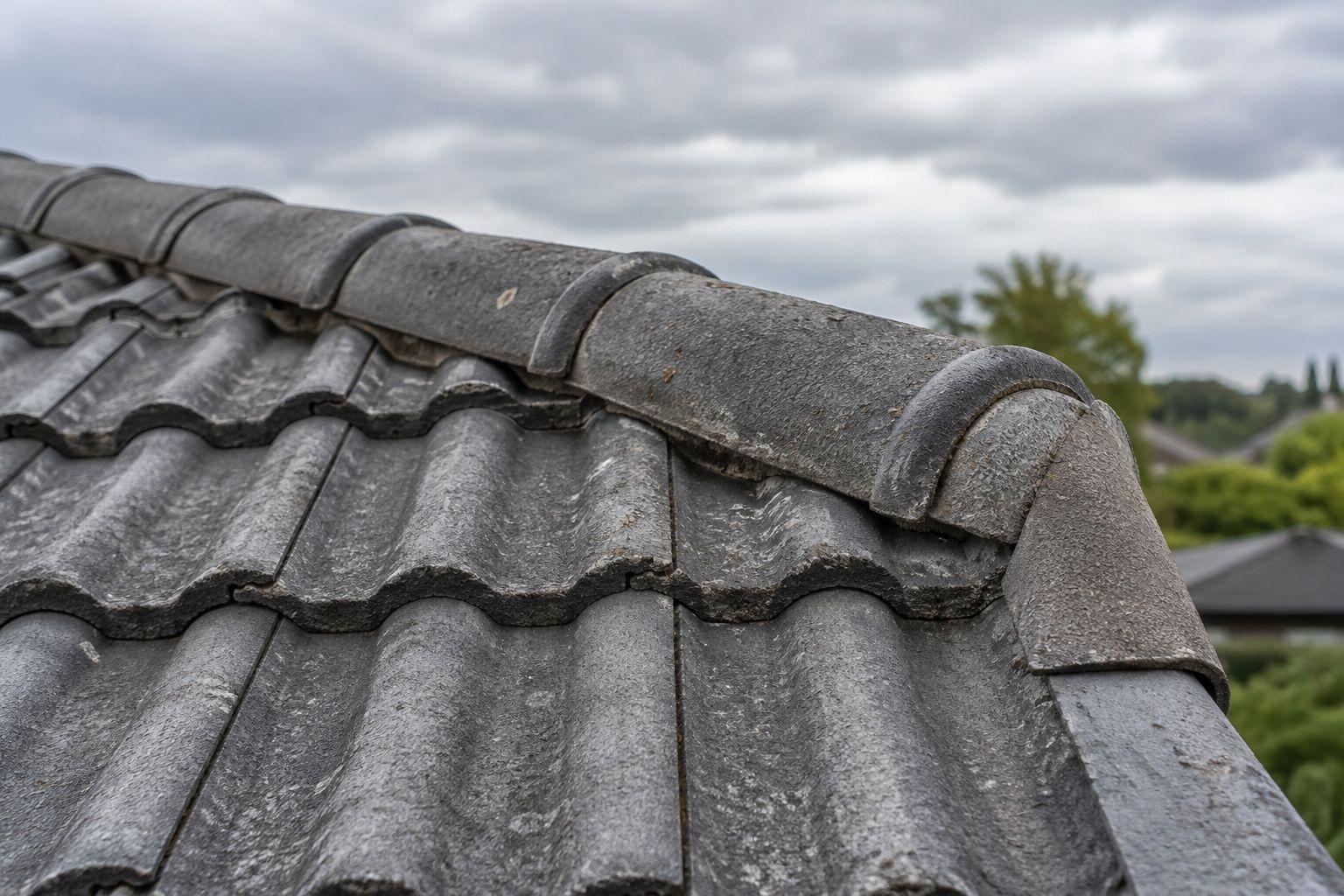
Concrete and terracotta are the main kinds of roof tiles to understand when planning work on a Queensland home. Concrete tiles can be cleaned, repaired and recoated; terracotta often needs cleaning and repairs without painting. Glazed and unglazed terracotta need different coating assessments. Slate, metal tiles, composites and solar tiles need advice specific to their material or system.
At R&R Restorations, we assess concrete and terracotta roofs before recommending the work. The tile material, its finish and what has actually failed matter more than how tired the roof looks from the driveway.
In summary
- Concrete: a cement-based tile, often with a coloured surface. Fading alone does not mean it leaks or needs replacing.
- Terracotta: fired clay, with a glazed or unglazed finish. Keeping a sound original finish can be the right choice.
- Shape is not material: flat, curved and interlocking describe the tile's form or fit, not what it is made from.
- Match the work to the roof: broken tiles and failed ridge joints need repairs. A coating cannot fix either, and not every tiled roof needs a full roof restoration.
What are the main roof tile material types?
Concrete and terracotta are the main conventional tile materials in the Australian market. Natural slate and manufactured alternatives also exist, but they should not all be treated with the same clean-and-coat method.
For an existing roof, this is the useful comparison:
| Tile material or finish | What it is | What repair or roof restoration involves |
|---|---|---|
| Concrete, also called cement tile | A moulded cement-based mixture, commonly with a coloured surface finish | Replace damaged tiles, repair failed ridge joints and clean; seal and recoat suitable surfaces when renewing the finish |
| Glazed terracotta | Fired clay with a fired surface glaze | Clean and repair while assessing whether to retain the original finish; any coating needs a suitable specification |
| Unglazed terracotta | Fired clay without a glazed surface | Clean, replace damaged tiles and repair ridge joints; being unglazed does not automatically make painting necessary |
| Natural slate | Thin pieces of natural stone laid in overlapping courses | Assess the slates and their fixings; replace damaged pieces or refix sound ones using specialist methods |
| Metal tiles or tile-profile panels | Formed metal made to resemble individual tiles | Check the particular metal, finish, fixings and corrosion before choosing repairs or recoating |
| Composite or synthetic tiles | Manufactured products designed to resemble slate, clay or timber | Identify the product and follow its repair and maintenance requirements |
| Solar roof tiles | Roof-covering units that also generate electricity | Specialist roofing and electrical assessment; not a conventional roof-painting job |
Our published tile roof work covers concrete and terracotta. Those are the materials behind our cleaning, broken-tile replacement, ridge repairs and roof-specific coating assessment. The less common systems in the table need their own assessment, not an assumed version of that package.
How can you tell which kind of roof tile you have?
Start with the original roof paperwork or a spare tile already stored at ground level. Colour and shape offer clues, but neither reliably identifies the material on its own.
A red roof can be concrete. A dark or grey roof can be terracotta. Previous painting makes colour an even weaker guide.
Keep these details separate when describing your roof:
| Detail | What to look for safely | Why it matters |
|---|---|---|
| Material | A product name in old paperwork, or markings on a stored spare tile | Concrete, terracotta and slate need different treatment |
| Profile | A flat face, rounded rolls or channels; the shape of a spare tile's edges | Replacement tiles must fit the neighbouring tiles and supports |
| Finish | An original glaze, an unglazed face or evidence of a previous repaint | The existing surface affects cleaning and coating choices |
| Fault | Visible breaks, slipped tiles, loose ridge caps, peeling paint or a leak indoors | The fault decides the repair, rather than the material name alone |
If you have a spare, photographs of its face, underside and markings can help. Do not break a tile to inspect its centre or climb onto the roof to fetch a sample.
You do not need to identify it perfectly before contacting us. Our assessment checks the roof material, condition, pitch and access. For replacement-tile details, see our guide to matching and fixing broken roof tiles.
Are flat, curved and interlocking tiles different materials?
No. A tile's profile is its shape; its material is what it is made from. Both concrete and terracotta are available in different profiles, so a flat tile is not necessarily slate and a curved tile is not necessarily terracotta.
These terms often overlap:
- Flat or shingle-style: a relatively flat visible face, often chosen for a straight, clean roofline.
- Curved or wave profiles: raised rolls and channels across the tile face.
- Interlocking: shaped edges that fit with neighbouring tiles. An interlocking tile can also have a flat or curved face.
- Marseilles: a traditional interlocking pattern. The Queensland Government's Conserving Roofs technical note identifies it as the most common terracotta pattern on the Queensland roofs it discusses, mainly in the south-east.
- Spanish-style: a curved form; traditional versions use overlapping cover and pan tiles.
The Queensland Government's roof conservation guide, published in March 2014, explains these older terracotta patterns and their repair needs.
For our tile replacement work, fit comes before colour. A similar-looking replacement can have the wrong interlock or sit incorrectly on the battens, the horizontal supports beneath the tiles. Recoating may even out colour afterwards, but it cannot correct a poor fit.
How are concrete roof tiles restored?
Concrete tile roof restoration combines the repairs a roof needs with cleaning and renewal of its surface finish. Our work includes replacing broken tiles, rebedding ridge caps where needed, flexible repointing, then sealing and recoating suitable tiles.
Rebedding resets ridge caps on fresh mortar where the old support has failed. Repointing renews the outer joint finish. The caps cover the joins along the roof's peaks and hips.
Concrete's coloured surface can fade while the tile remains sound. Monier's roof tile FAQs, checked on 28 October 2026, state that fading of its concrete tile colour coating does not affect tile performance or structural adequacy. A worn colour is therefore not enough to diagnose a leaking roof.
For a Gold Coast or Brisbane homeowner, the distinction is practical: repair the broken tile or failed joint causing the problem, then decide whether you also want the colour renewed. Our concrete tile roof restoration guide covers preparation, coatings and the full process without treating every faded roof as a replacement job.
How do glazed and unglazed terracotta roof tiles differ?
Glazed terracotta has a fired surface glaze; unglazed terracotta does not. Both are fired-clay tiles, and neither should automatically receive the same coating treatment as concrete.
Terracotta roof restoration often centres on cleaning, replacing broken tiles and repairing ridge joints. At our assessment, we discuss whether a coating is needed at all.
| Terracotta surface | What needs deciding before work starts? |
|---|---|
| Sound original glaze | Whether cleaning and repairs can retain the existing finish |
| Unglazed clay | Whether the tiles are sound and whether a coating offers a benefit worth the future maintenance |
| Previously painted terracotta | Whether the existing paint is firmly attached and what preparation it needs |
| Crumbling or deteriorated tiles | Whether replacement is needed; coating cannot make unsound clay sound |
The manufacturer's advice matters. Monier does not recommend painting terracotta, although its FAQ says unglazed tiles can be painted and will then need ongoing recoating.
There are also coating systems specified for particular terracotta surfaces. Dulux's roof coating application guide, checked on 28 October 2026, includes uncoated, sound, weathered glazed or unglazed terracotta, but excludes aged or crumbling tiles from that system. That is a technical example, not a claim about which brand we will use on your roof.
The sensible answer is roof-specific. Our terracotta roof restoration guide explains the coating decision in more detail, including what to check if you want to keep the original colour.
What is different about slate and other less common tiles?
Slate, composite and solar roofs need methods suited to their construction. A product that resembles a concrete tile does not necessarily accept concrete-tile cleaning or coatings.
On a slate roof, slipped pieces can point to failed fixings rather than failed stone. Queensland's Conserving Roofs guidance describes retaining and refixing sound slate, replacing damaged pieces and checking flashings and gutters. It recommends a slater with conservation experience for heritage-listed buildings.
Metal tile systems need their metal and coating identified. Composite tiles need their manufacturer identified. Integrated solar tiles add electrical components, so the roofing and electrical work must be considered together.
Older fibre-cement slates and tiles are another reason not to guess from appearance: some contain asbestos. Do not scrape, sand, break or pressure-clean an unidentified product. Arrange identification by a qualified professional before disturbing it.
These distinctions matter when enquiring with us. Describe the roof you have rather than booking a conventional tile roof restoration on the strength of a photograph that looks similar.
What matters for tile roofs in Queensland's climate?
The complete roof matters: tiles, ridge joints, fixings, flashings and drainage. Choosing a durable tile material does not make blocked valleys or damaged joints harmless during heavy rain.
For coastal homes, Monier identifies its concrete and terracotta tiles as salt-safe. That is a statement about those products, not a reason to ignore metal flashings or fixings elsewhere on the roof. For shaded roofs, moss and lichen can change the appearance without proving that the tiles have failed.
Our roof assessment separates those surface changes from faults that need repair. Cleaning is matched to the roof material and its condition; a method suitable for one roof is not automatically suitable for another. Stay off the roof yourself, especially when it is wet.
If you are choosing a new roof covering rather than maintaining an existing one, have the roof pitch, supporting structure and site requirements checked before selecting tiles. A flat-profile tile still needs the slope specified for that product.
Does the tile type change the roof restoration price?
Yes, because tile replacement, ridge work and coating preparation differ. The roof's size, pitch, height and access also affect the quote, so the material alone cannot give you a reliable total.
Our published roof restoration cost guide, updated 27 October 2026, gives indicative Australian-dollar ranges of $6,500 to $9,500 for a medium tiled home and $9,000 to $13,000 for a larger tiled roof.
Those are full tiled-roof job guides, not a fixed price for every terracotta roof or for cleaning and repairs without coating. We itemise the required work after assessment. Compare the repairs and finish included before comparing the totals.
Is R&R Restorations right for your roof?
We are a good fit if you have a concrete or terracotta roof on the Gold Coast, in Brisbane or Logan, or across Tweed Heads and the Northern Rivers, and want to know what is worth repairing. We are owner-operated by Alex Rowe, with both focused repairs and full roof restoration in our published services.
The ridge work is a real part of that service. Julie wrote in her Google review dated 20 October 2026, published on our website:
“They did a phenomenal job bringing our tired roof back to life, including fully cleaning it and completely repointing the ridge caps.”
A full roof restoration is not the right purchase if an isolated repair will solve the problem. It is also not the answer to failed supporting timber or tiles that are no longer worth retaining. We check suitability before quoting and tell you when a new roof is the better choice.
If you have a specialist system such as slate or integrated solar tiles, start with advice from a contractor qualified for that system rather than assuming a concrete-tile process applies.
What else should you know about different roof tiles?
Are cement roof tiles the same as concrete tiles?
In normal roofing usage, yes. “Cement tile” usually means a concrete roof tile made with cement and other ingredients. It is different from a fibre-cement slate or sheet, which needs separate identification.
Are ceramic and terracotta roof tiles different?
Terracotta is a fired-clay ceramic. Roofing suppliers may use “ceramic” for fired-clay tile ranges, particularly finished products. Check the actual product and surface rather than treating the label as a coating instruction.
Which roof tile lasts longest?
There is no useful lifespan promise for an unidentified existing roof. Slate and terracotta can remain serviceable while fixings or ridge joints need attention; concrete can lose colour while staying sound. Assess the tiles and the supporting roof separately.
Can you mix concrete and terracotta replacement tiles?
Do not choose a replacement just because its colour looks close. The dimensions, profile, overlaps and fit must be compatible. Have the replacement identified and checked as part of the repair.
Does moss mean roof tiles need replacing?
No. Moss or lichen alone does not establish that a roof tile has failed. The assessment needs to distinguish surface growth from cracks, crumbling material, failed joints or blocked drainage.
Can you put flat roof tiles on a flat roof?
A flat tile describes the tile face, not an approved roof slope. Minimum roof pitch depends on the specific product and installation requirements. Do not assume all flat-profile tiles suit a low-pitched roof.
What is the next step for your tiled roof?
Start with an assessment rather than choosing a paint colour or a full job before the faults are known. Use our tile roof restoration enquiry to tell us your suburb, what you have noticed and whether water is coming inside. Ground-level photos are helpful but optional; we can confirm the roof material and the work it needs.